Tree Pruning Sydney: How to Get It Right the First Time

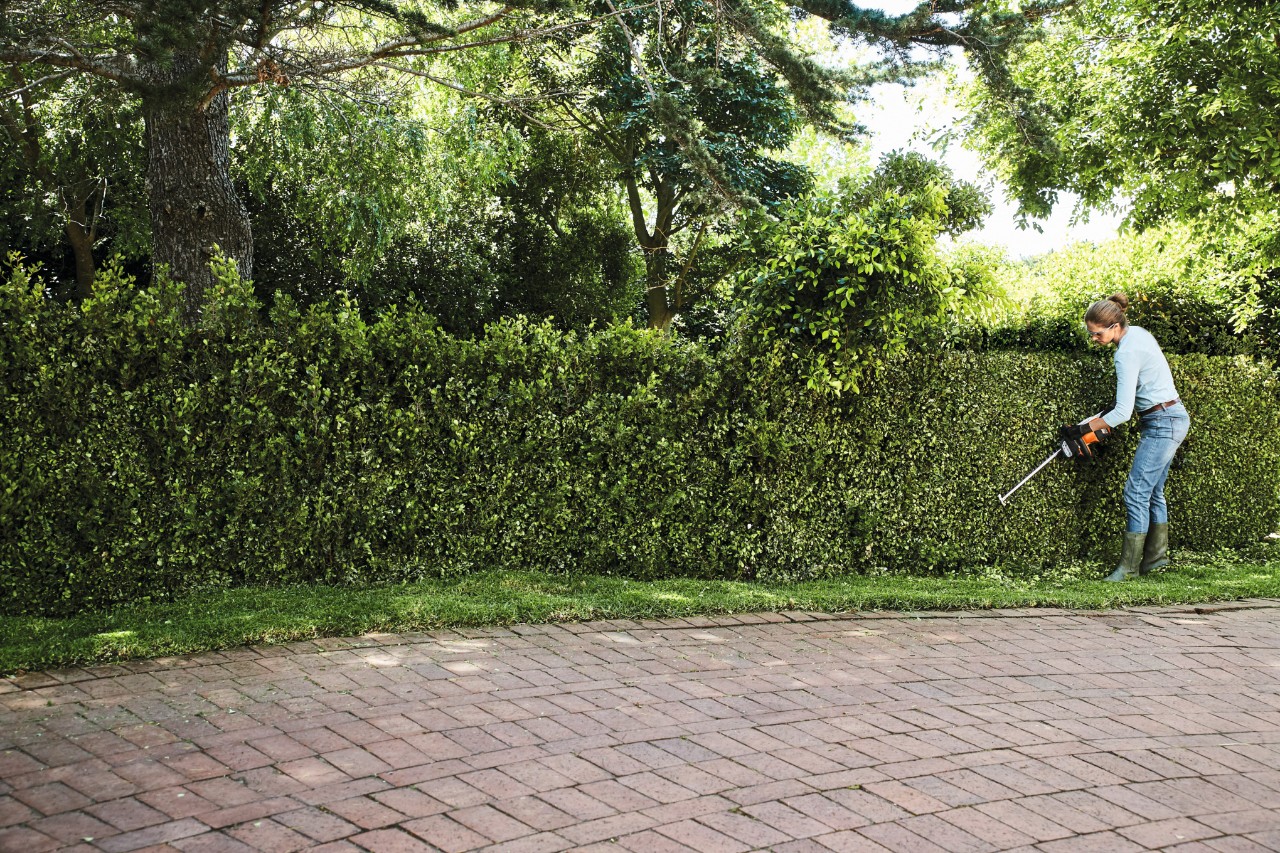
Pruning is the highest-value, lowest-cost thing you can do for a tree, and it is also the easiest thing to get catastrophically wrong. A single badly placed cut can start a decay column that shortens a mature tree’s life by twenty years. Done properly, tree pruning Sydney wide reduces storm risk, improves structure, lets light into the garden and keeps limbs off your roof.
This guide covers the technique, the timing, the legal thresholds in NSW, and what a fair quote looks like.
The Types of Pruning You Can Actually Book
Terminology matters when you brief a contractor, because “give it a trim” means nothing.
Crown thinning
Selective removal of secondary branches throughout the canopy to reduce density and wind sail without changing the tree’s overall size. Ideal for large gums that catch too much wind. Crown lifting
Removing the lowest branches to increase clearance over a driveway, path or lawn. Simple, low impact, and very common in tree pruning Sydney residential work.
Crown reduction
Reducing the height and spread by cutting back to suitable laterals. This is the correct alternative to topping.
Deadwooding
Removal of dead, dying and diseased branches. Low risk to the tree, high risk reduction for you. Should be done every two to three years on mature trees.
Formative pruning
Structural pruning of young trees to establish a single dominant leader and well-spaced scaffold branches. The cheapest work you will ever do, and the work that prevents expensive problems in twenty years.
Clearance pruning
Creating separation from buildings, power lines, solar panels and neighbouring properties.
The Technique: Where the Cut Goes
Every correct pruning cut in the world respects one anatomical feature: the branch collar. That slightly swollen ring where a branch meets its parent stem contains the chemically protective tissue the tree uses to wall off the wound.
Cut outside the collar. The tree seals the wound quickly and decay is contained.
Cut flush to the trunk. You remove the collar, the tree cannot compartmentalise, and decay walks straight into the stem.
Leave a long stub. The stub dies back and becomes a decay entry point anyway.
The three-cut method
For any branch heavier than you can hold with one hand, use three cuts:
- Undercut about 300mm out from the collar, cutting a quarter to a third of the way up from below.
- Top cut slightly further out, cutting down until the branch falls. The undercut stops the bark tearing back into the trunk.
- Final cut just outside the branch collar to remove the remaining stub cleanly.
Skipping the undercut is the single most common amateur mistake in tree pruning Sydney gardens. The falling branch strips a metre of bark off the trunk on its way down, and that wound never fully closes.
How Much Can You Safely Remove?
The general rule is no more than 20 to 25 percent of live canopy in a single season on a healthy mature tree. Less on a stressed, drought-affected or recently transplanted tree. Young trees tolerate more, but even then, restraint pays.
Leaves are the tree’s energy factory. Strip too many and the tree burns stored reserves to replace them, leaving it vulnerable to borers, fungal infection and further dieback.
Timing: When to Prune in Sydney
Sydney’s mild climate gives more flexibility than colder regions, but timing still matters.
- Late winter to early spring (Aug-Sep): best window for most structural and reduction work. Wound closure is rapid once growth starts.
- Autumn (Mar-May): ideal for storm-season preparation, deadwooding and clearance work.
- Summer: avoid heavy reduction during heatwaves. Light deadwooding is fine.
- Just after flowering: the right time for ornamentals and fruiting species, so you do not remove next season’s flower buds.
- Avoid: heavy pruning of stone fruit in wet weather, when silver leaf and canker infection risk peaks.
Professional tree pruning Sydney contractors book out heavily in late winter and again in autumn. Book early for those windows.
Council Consent: The 10 Percent Rule
This surprises people. In most Sydney council areas, trees on private land are protected under Chapter 2 of the State Environmental Planning Policy (Biodiversity and Conservation) 2021, and pruning more than 10 percent of a tree’s canopy requires consent. The Hills Shire tree rules are a useful example of local controls.
The Hills Shire Council, for example, explicitly requires consent to prune a tree by more than 10 percent, to remove a non-exempt tree, or to substantially alter soil levels within three metres of a trunk. Parramatta, Northern Beaches, Ku-ring-gai and Inner West run similar controls with their own exempt species lists and height thresholds.
Exemptions typically cover trees under a set height, declared weed species, dead trees, and pruning necessary to remove an immediate risk. When in doubt, ring the council or get your arborist to check before the saw comes out. Fines for unauthorised works run to five figures.
What Tree Pruning Costs in Sydney
- Small tree, light clearance: $250 to $500
- Medium tree, crown lift or thin: $500 to $1,200
- Large eucalypt, full deadwood and reduction: $1,500 to $4,000
- Hedge trimming (per linear metre, over 2m high): $25 to $60
- Palm frond removal: $150 to $400 per palm
- Three-person crew with chipper, hourly: $180 to $300
Green waste disposal is usually included but confirm it. Ask whether the crew will leave the chip as mulch, which saves them a tip fee and saves you buying mulch.
Safety: Why This Is Not Always a DIY Job
Anything you can reach from the ground with a pole saw is reasonable DIY. Anything requiring a ladder and a chainsaw is not.
SafeWork NSW has recorded repeated serious tree work incidents involving falls from height and workers struck by falling limbs, including cases where experienced operators were badly injured. Ladders and chainsaws are a genuinely lethal combination because the saw’s reaction force has nowhere to go but into your balance. Add proximity to power lines and the risk profile changes entirely: only accredited operators may work within the approach distances to overhead conductors.
Signs Your Tree Needs Pruning Now
- Dead limbs visible in the upper canopy
- Branches touching or rubbing the roof, gutters or wires
- Crossing and rubbing branches creating bark wounds
- Dense, unthinned canopy with heavy end weight on long lateral limbs
- Epicormic regrowth from a previous bad lop
- Fungal brackets on limbs or major unions
- Sudden lean or soil cracking at the base (call an arborist immediately, not a pruner)