Firewood Sydney: How to Buy Wood That Actually Burns Well

Buying firewood should be simple. It rarely is. The market is full of vague units of measure, wildly inconsistent moisture content, and mixed loads sold as premium hardwood. If you have ever paid good money for a load that hissed, smoked and refused to hold heat, you bought wet wood.
This guide covers the species worth buying, how to test seasoning yourself, what fair firewood Sydney pricing looks like, how to store a load properly, and the air quality rules that increasingly matter across NSW.
Why Moisture Content Is the Only Thing That Really Matters
Species gets all the marketing attention. Moisture content determines whether your fire works.
Freshly cut hardwood sits at 40 to 60 percent moisture. Burning that wood means a large share of the energy released is wasted boiling off water rather than heating your room. Properly seasoned firewood sits below 20 percent moisture, and NSW EPA wood-smoke guidance supports burning dry wood efficiently. That is the threshold to insist on.
Wet wood produces less heat, heavy smoke, rapid creosote build-up in your flue (a genuine chimney fire risk), and blackened glass on your heater door. A cheap load of green wood is not cheap.
How to test a load yourself
- Moisture meter. Split a piece and test the fresh inner face. Under 20 percent, buy it. Around $25 from any hardware store and it pays for itself on the first delivery.
- The knock test. Two dry pieces struck together ring with a sharp crack. Wet wood makes a dull thud.
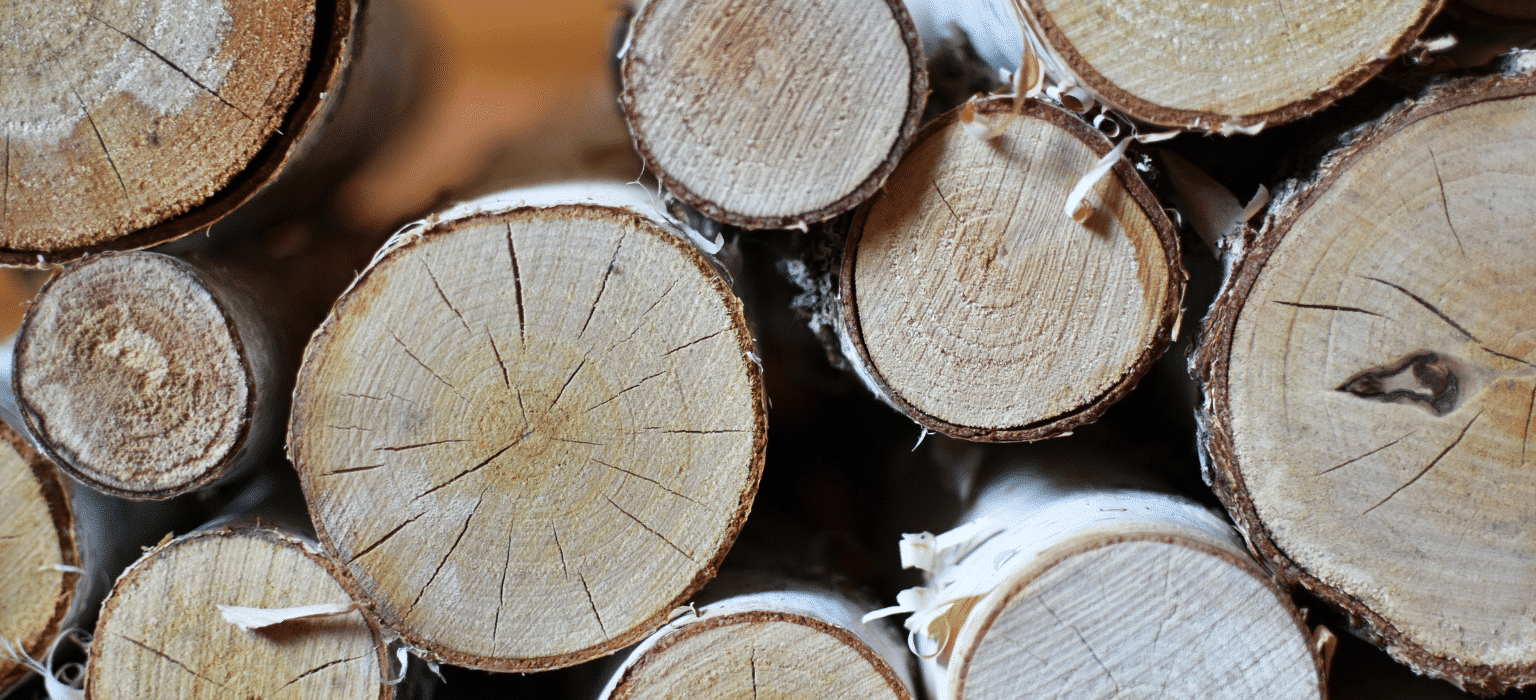
- Check the ends. Seasoned wood shows radial checking (cracks) across the end grain and a greyed, dulled colour.
- Weight. Dry wood is noticeably lighter than green wood of the same size.
- Bark. On well-seasoned hardwood, bark is often loose or falling away.
Any reputable firewood Sydney supplier will let you inspect and test before you accept the load.
The Best Species for Sydney Fires
Red gum
The benchmark. Extremely dense, long burning, excellent coaling, minimal spark. The most sought-after firewood Sydney households buy, and priced accordingly. Ideal for slow combustion heaters running overnight.
Ironbark
Equal to or denser than red gum, superb heat output, burns very long. Harder to split, and needs a good bed of coals to get going.
Box (grey box, yellow box)
Excellent all-rounder. High density, clean burn, generally cheaper than red gum. Very good value.
Blackbutt and spotted gum
Solid hardwoods, good heat, widely available in NSW, moderately priced.
Mixed hardwood
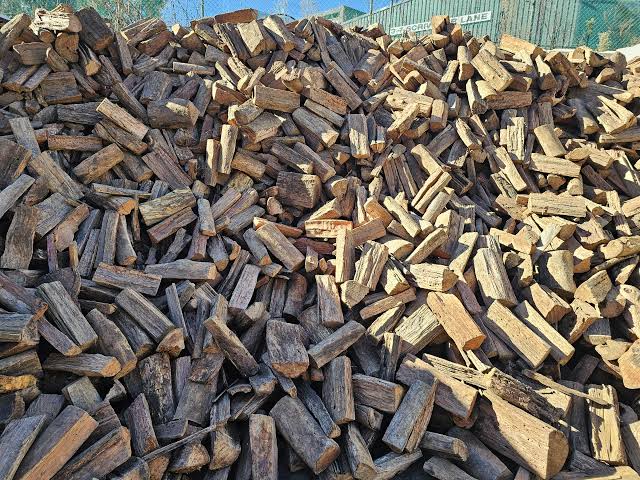
What most bulk loads actually are. Fine for open fireplaces and general use, but heat output varies piece to piece.
What to avoid
Pine and other softwoods burn fast, produce low heat and deposit resin in flues. Treated timber, painted wood, pallets and construction offcuts must never be burned; they release genuinely toxic compounds. Camphor laurel is acrid and unpleasant. Fresh eucalyptus of any kind is just wet wood with a good name.
Understanding the Units
This is where buyers get burnt.
- Cubic metre (loose) – the most common honest unit. A one cubic metre bag or crate, loosely filled.
- Tonne – a weight measure. A tonne of properly dry hardwood is roughly 1.3 to 1.5 loose cubic metres. A tonne of wet wood is considerably less usable wood.
- Ute load / trailer load / “a load” – meaningless without dimensions. Always ask for cubic metres.
- Bag – varies from 15kg to 30kg. Fine for a weekend, expensive per unit of heat.
Always buy by the cubic metre or by weight with a stated moisture content. Vague units are the oldest trick in the firewood Sydney trade.
What Firewood Costs in Sydney
Indicative 2026 delivered prices in the Sydney basin:
- Mixed hardwood, 1 cubic metre delivered: $180 to $280
- Premium red gum or ironbark, 1 cubic metre delivered: $280 to $420
- Half cubic metre / small load: $120 to $200
- Bagged firewood (approx 20kg): $18 to $30
- Kindling bag: $12 to $25
- Delivery surcharge beyond metro: $40 to $120
Prices peak in June and July. Buy in late summer or autumn, when supply is loose and the wood has another few months to dry in your stack.
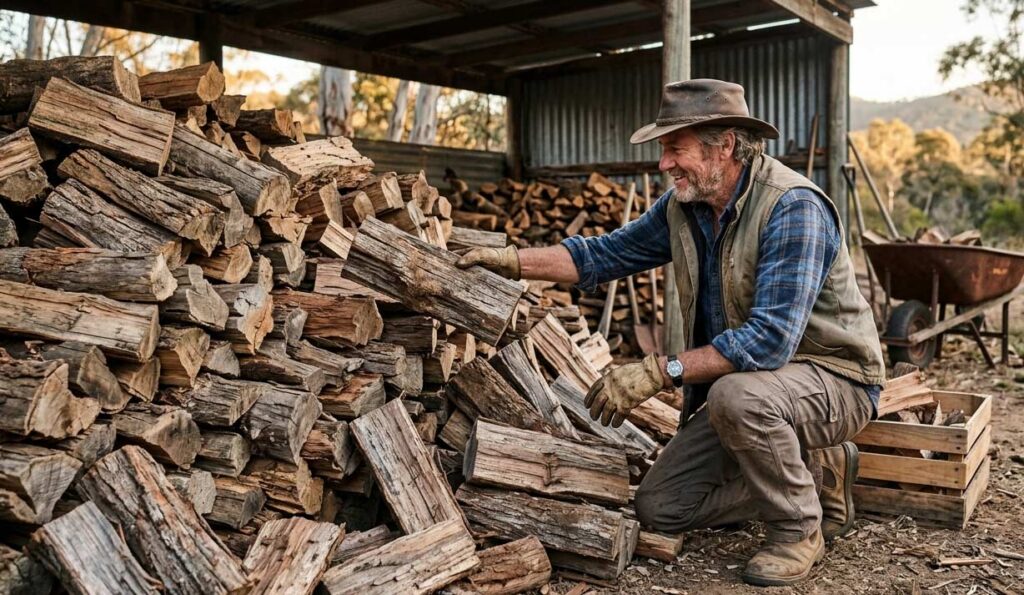
Storing Firewood Properly
Getting storage right can drop moisture content by 10 percentage points over a summer.
- Off the ground. Pallets, gravel or a raised rack. Ground contact wicks moisture straight back into the wood.
- Roof, not walls. Cover the top to shed rain but leave the sides fully open. Wrapping a stack in a tarp traps moisture and grows mould.
- Sun and wind. Airflow is the single most important factor in seasoning. A north-facing spot with prevailing breeze beats a shaded shed every time.
- Split before stacking. Split wood dries several times faster than rounds because the exposed face has no bark barrier.
- Single or double row. Deep piles do not breathe. Long, narrow stacks dry fastest.
- Keep it away from the house. Woodpiles against walls invite termites and spiders. A metre of clearance is sensible.
Allow 6 to 12 months of seasoning for split hardwood in Sydney’s climate, longer for very dense species stacked in shade.
Wood Smoke, Regulation and Being a Good Neighbour
Wood heater smoke is a significant winter air quality issue in NSW, and the EPA actively promotes control measures. Excessive smoke can attract council enforcement, and several councils have local controls on solid fuel heaters.
The fixes are straightforward: burn only dry, seasoned wood; start the fire hot with plenty of air rather than smouldering it; never damper the heater right down overnight; and have the flue swept annually. A correctly run heater burning sub-20 percent firewood Sydney suppliers can actually verify produces very little visible smoke.
Also worth knowing: collecting firewood from national parks, reserves and roadsides is illegal without a permit. Buy from licensed suppliers who source from plantation thinnings, land clearing or tree service arisings.
Buying From Tree Services
Some of the best value firewood Sydney has comes from local tree companies. They fell hardwood daily and would otherwise pay to dispose of it. The catch is that arisings are usually fresh, so you are buying green wood at a discount and seasoning it yourself. That is a great deal if you are buying a year ahead, and a bad deal if you need to light a fire on Saturday.