Green Waste Removal Sydney: What Happens To The Debris After
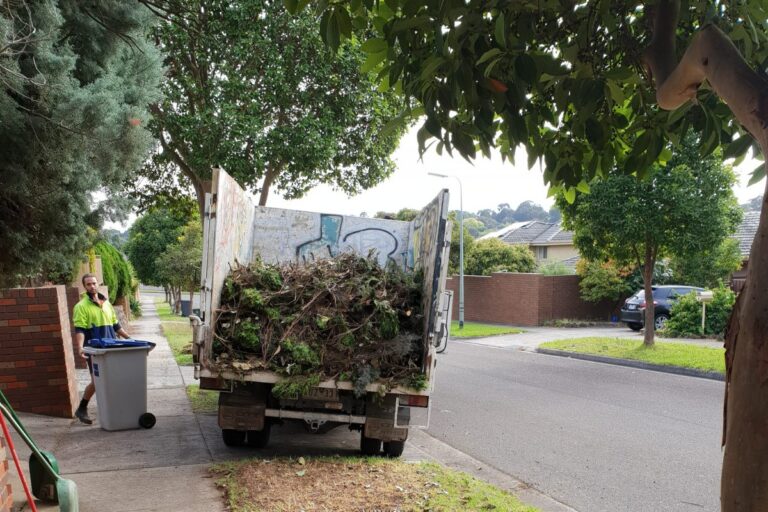
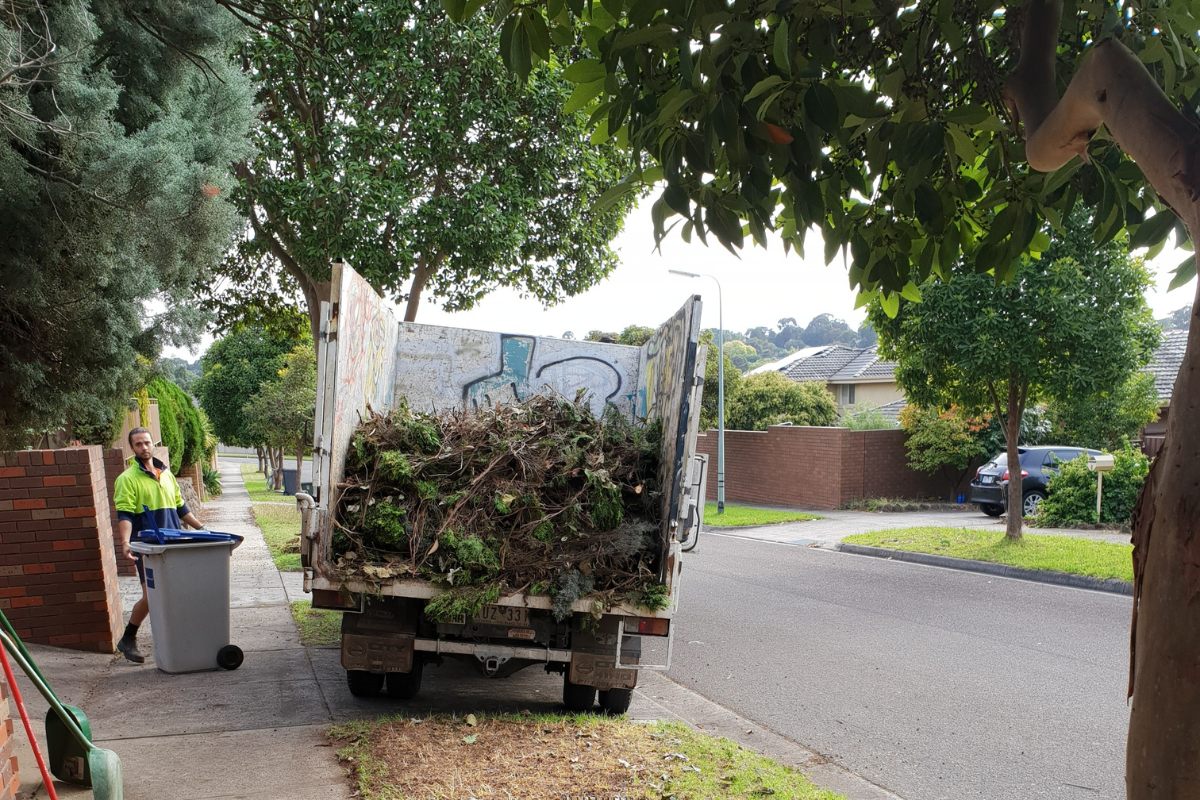
Green waste removal in Sydney can feel like a simple “pick up and go” service. But once the truck leaves, the debris starts a tightly controlled journey through sorting, processing, and reuse, designed to keep organics out of landfill wherever possible.
What happens next depends on what was collected, how clean it is, and where it is taken. Here’s how the system typically works.
What counts as green waste in Sydney?
The green waste removal Sydney typically covers organic garden material like grass clippings, leaves, weeds, branches, hedge trimmings, and small prunings. Some services also accept untreated timber offcuts, bark, and mulch, but rules vary by provider and facility.
Contamination is the big issue. Items like plastic pots, soil-filled bags, treated pine, general rubbish, and food waste often require separate handling and can change the destination of the whole load.
Where does green waste go after it is collected?
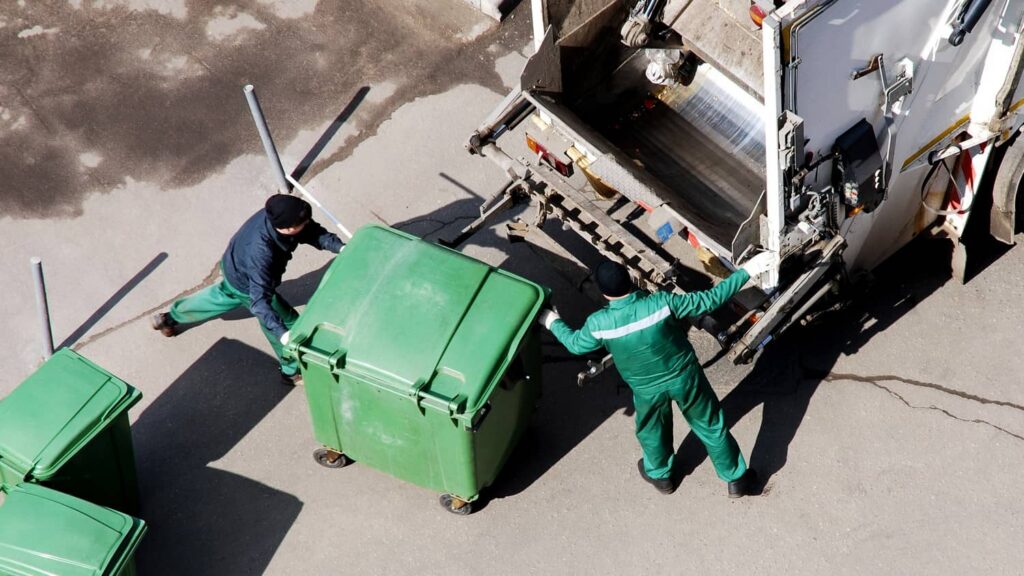
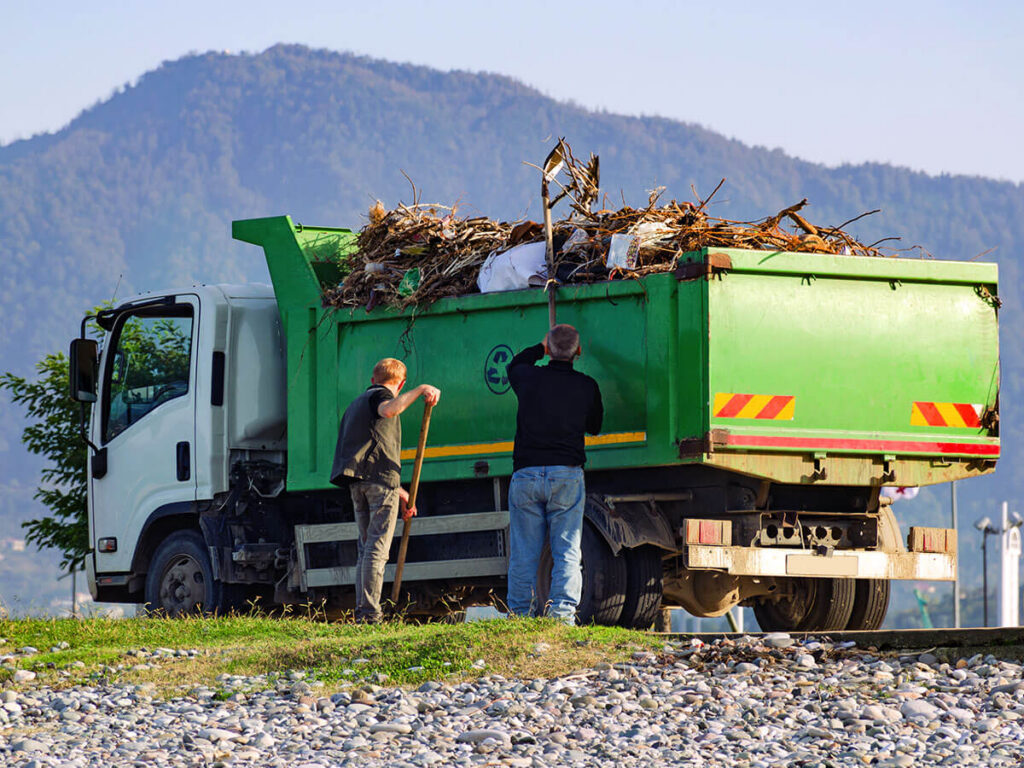
Most loads go to a licensed organics processing facility, a transfer station, or a materials recovery site that accepts garden organics. There, green waste is tipped, recorded, and assessed before it enters any processing stream.
If the load is clean and mostly organic, it is likely to be processed into mulch or compost. If it contains too much contamination, it may be downgraded, re-sorted at extra cost, or diverted to landfill as a last resort.
See Also – 5 Hidden Dangers of Leaving Tree Stumps in Your Yard
How is green waste sorted and checked for contamination?
Facilities typically use a mix of visual inspection, manual picking, and mechanical separation. Staff look for obvious contamination such as plastic bags, metal, bricks, glass, and mixed general waste.
Even small contaminants matter because finished compost and mulch are expected to meet quality standards. When contamination is high, processors may reject the load or charge higher gate fees, which can flow back through the service chain.
What processing steps turn debris into mulch?
Mulch production usually starts with shredding. Branches and mixed green waste are fed into grinders that reduce material into consistent sizes, then screened to separate oversized pieces for re-grinding.
The result is a coarse mulch used for moisture retention and weed suppression in gardens and landscapes. This pathway suits woody material well, but it still relies on a relatively clean input stream. Learn more about landscaping and keep pathway beautiful.
How is compost made from collected green waste?
Composting is more controlled than mulching. Green waste is shredded, mixed to balance carbon and nitrogen, and formed into windrows or placed into aerated systems to manage airflow, moisture, and temperature.
Heat is the key: it helps break material down and reduces weed seeds and pathogens. After active composting, the material is cured, screened, and tested. Finished compost can be used in landscaping, turf preparation, and soil improvement.
What happens to branches, stumps, and heavier material?
Branches are often ideal for mulching, but stumps, thick limbs, and root balls can be harder. Some facilities accept them, but they may require separate processing due to density, dirt, and rocks.
Where accepted, they are typically processed into larger-grade mulch or blended into compost feedstock after extra screening. If they arrive heavily contaminated with soil and stones, disposal becomes more complex and less recyclable.
Does any green waste still end up in landfill?
Yes, but usually for preventable reasons. Loads with significant contamination, wet mixed rubbish, or prohibited materials can be rejected for organics processing and sent to landfill.
This is why providers often stress “green waste only” guidelines and may refuse mixed piles. Cleaner separation at the source is the main factor that keeps organics on the recycling pathway.
Who uses the mulch and compost after processing?
The end products are commonly used by landscapers, councils, turf farms, construction projects (for rehabilitation and soil stabilisation), and home gardeners. Some material is sold retail, while other batches are supplied in bulk for public works.
This creates a circular system where garden waste becomes a resource for new planting and soil health. The better the input quality, the more reliable and usable the final product tends to be.
How can households and businesses help ensure debris is recycled properly?
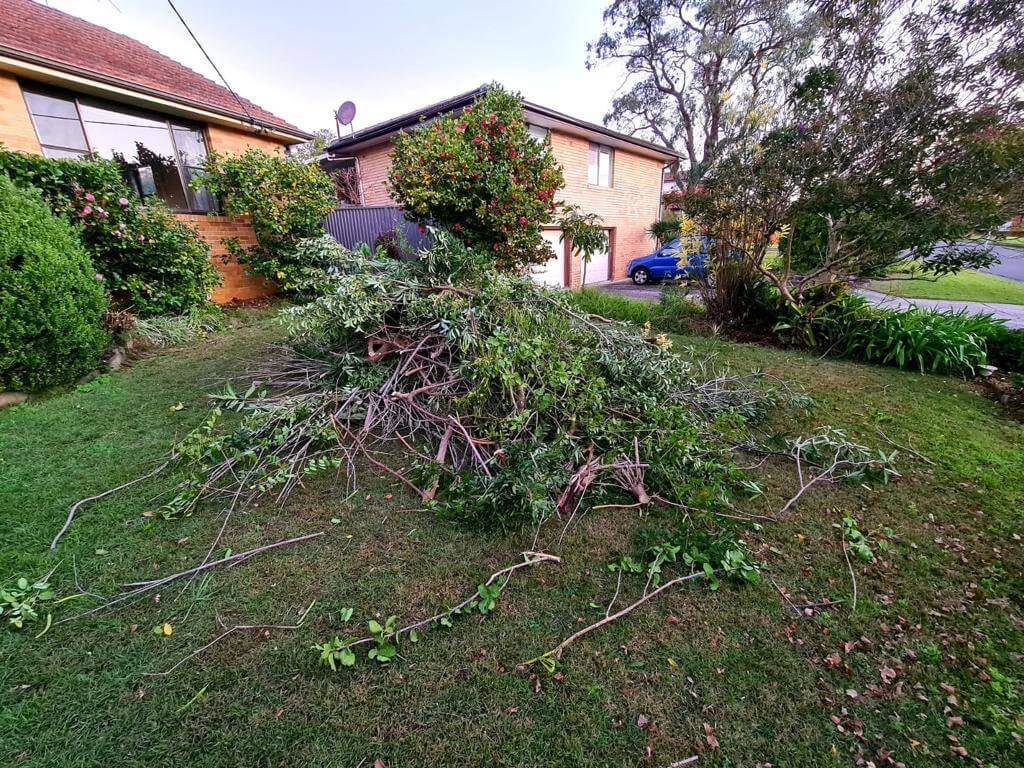
The simplest step is keeping green waste clean and separate. They can avoid bagging organics in plastic, remove plant pots and ties, and keep treated timber and general rubbish out of garden piles.
It also helps to prepare waste in a way the collector can handle, such as bundling long branches where required and keeping soil-heavy roots separate if the provider requests it. When in doubt, they should ask what the receiving facility accepts, not just what fits in the truck.
What should they ask a green waste removal service about disposal?
They should ask where the material is taken, whether the facility is licensed, and what happens if the load is deemed contaminated. They can also ask if the service separates loads (green-only versus mixed) and how pricing changes based on disposal outcomes.
Clear answers usually indicate a more transparent chain of custody. It also helps set expectations, since “green waste removal” can mean composting, mulching, or disposal depending on conditions.
What is the takeaway on what happens after collection?
Most green waste in Sydney can be turned into mulch or compost, but the outcome depends heavily on contamination and correct separation. When the load is clean, it is processed, screened, and reused in landscaping and soil improvement rather than buried.
In practical terms, the best way to keep debris out of landfill is simple: treat green waste as a recyclable stream, not a general rubbish pile.
FAQs (Frequently Asked Questions)
What is considered green waste in Sydney and why is contamination a concern?
Green waste in Sydney typically includes organic garden materials such as grass clippings, leaves, weeds, branches, hedge trimmings, and small prunings. Some services also accept untreated timber offcuts, bark, and mulch, though this varies by provider. Contamination from items like plastic pots, soil-filled bags, treated pine, general rubbish, and food waste can complicate processing and may cause the entire load to be diverted from recycling to landfill.
Where does green waste collected in Sydney go for processing?
Most green waste loads are taken to licensed organics processing facilities, transfer stations, or materials recovery sites that accept garden organics. At these facilities, the waste is tipped, recorded, and assessed before entering processing streams such as mulching or composting. Loads with excessive contamination may be downgraded or sent to landfill as a last resort.
How is green waste sorted and checked for contamination at processing facilities?
Facilities employ a combination of visual inspections, manual picking, and mechanical separation to identify contaminants like plastic bags, metal objects, bricks, glass, and mixed general rubbish. Even small contaminants are significant because finished compost and mulch must meet quality standards. High contamination levels can lead to load rejection or increased processing fees.
What are the main processes involved in turning green waste into mulch?
Mulch production generally begins with shredding branches and mixed green waste using grinders that reduce the material into consistent sizes. The shredded material is then screened to remove oversized pieces for re-grinding. The resulting coarse mulch is ideal for moisture retention and weed suppression in gardens and landscapes but requires relatively clean input material.
How is compost made from collected green waste in Sydney?
Composting involves shredding the green waste and mixing it to balance carbon and nitrogen content before forming windrows or placing it into aerated systems that manage airflow, moisture, and temperature. Heat generated during this process breaks down the material while reducing weed seeds and pathogens. After active composting, the material is cured, screened, tested for quality, and then used for landscaping, turf preparation, or soil improvement.
How can households and businesses help ensure their green waste is properly recycled?
To promote proper recycling of green waste, households and businesses should keep their organic garden debris clean and separate from general rubbish. Avoid bagging organics in plastic bags; remove plant pots and ties; exclude treated timber; and keep soil-heavy roots separate if requested by the service provider. Preparing waste according to collector guidelines—such as bundling long branches—also helps ensure efficient processing. When uncertain about acceptable materials or procedures, it’s best to consult the receiving facility directly.