What is the Difference Between Wood Chip Mulch and Bark Chips?
What are Wood Chip Mulch and Bark Chips Made From?
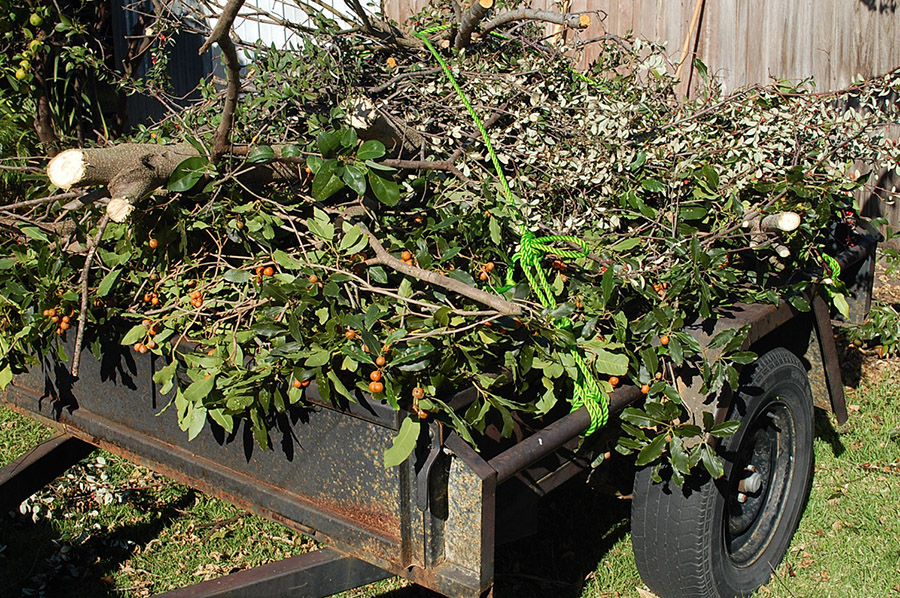
Wood chip mulch comes from whole tree parts, including branches, trunks, and bark that are mechanically chipped into pieces. This composition of wood chip mulch means you’re getting a complete blend of the tree’s woody material, creating a mixed organic mulch material with varied textures and densities.
Bark chips, on the other hand, are sourced exclusively from the outer protective layers of tree bark. These organic mulch materials typically come from specific species:
- Cedar
- Pine
- Cypress
- Oak
- Maple
The composition of bark chips is therefore more selective and uniform compared to wood chip mulch. Because bark chips contain only the exterior bark tissue, they possess different structural properties than wood chips that include inner wood fibres.
These differences in raw materials directly influence what is the difference between wood chip mulch and bark chips in terms of durability, decomposition rate, and appearance. Wood chips contain sapwood and heartwood alongside bark, creating a denser mixture that breaks down through different biological processes. Bark, being the tree’s protective outer layer, evolved to resist decay and environmental stress, giving bark chips their characteristic toughness.
The source material also affects colour variation. Wood chip mulch displays lighter tones from the inner wood mixed with darker bark fragments, whilst bark chips maintain more consistent colouring based on their tree species of origin.
How Do Wood Chip Mulch and Bark Chips Differ in Appearance?
1. Wood Chip Mulch: A Chunky, Rustic Look
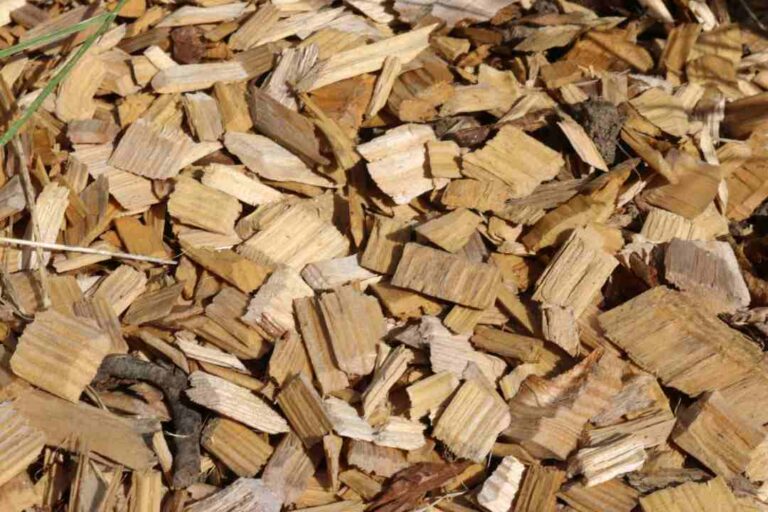
Wood chip mulch has a chunky, rustic look with larger, uneven pieces that give off a natural woodland vibe. The colours of wood chip mulch are usually a mix of light browns, tans, and occasional greys, reflecting the different shades of wood from various parts of the tree. These coarser pieces range from 1-3 inches in size, giving gardens an organic and unpolished feel that blends well with naturalistic planting designs.
The texture of wood chips creates a relaxed and casual appearance. You can often see the grain patterns and rough surfaces of individual pieces, making them ideal for informal garden settings, cottage gardens, or places where you want to highlight a connection to nature. The larger size of the mulch particles means there are more visible gaps between them, resulting in a looser and more open surface texture.
Wood chips suit woodland gardens, vegetable plots, and utility areas where function is more important than appearance. Their uneven shapes and natural colours blend in with foliage, drawing attention to plants instead of the ground cover.
2. Bark Chips: Colourful and Polished
Bark chips offer greater variety in appearance with different colour options and more consistent sizes. The colours of bark chips can range from rich reddish-browns in cedar and redwood varieties to deep chocolate tones in hardwood species and warm golden hues in pine bark. Manufacturers process bark into specific size grades—from fine shreds to large nuggets—allowing gardeners to select precise aesthetic effects.
Mulch texture and colour options make bark chips the preferred choice for decorative applications. Fine bark shreds create a smooth finish that complements formal garden designs, while larger bark nuggets add bold textural interest to planting beds. Cedar bark chips maintain their vibrant colour longer than other varieties, while pine bark develops an attractive silvery patina as it ages.
Bark chips excel in front gardens, ornamental beds, and display areas where the mulch itself contributes to the overall design scheme. The consistent sizing and refined appearance of bark products create clean edges around specimen plants and architectural features.
What Are the Longevity and Decomposition Rates of Wood Chip Mulch vs. Bark Chips?
Wood chip mulch decomposes slowly, typically lasting between three to five years or more before requiring replacement. The decomposition rate of wood chip mulch depends on factors like particle size, wood species, and environmental conditions, but its coarser texture and inclusion of heartwood create a resilient material that breaks down gradually.
Bark chips demonstrate exceptional durability when properly applied, often maintaining their structure for two to four years. The decomposition rate of bark chips varies significantly based on processing methods—shredded bark products break down within 12 to 18 months, whilst larger bark nuggets can persist for up to five years. Cedar and cypress bark contain natural oils that resist decay, extending their lifespan compared to pine or hardwood varieties.
Factors Influencing Mulch Longevity:
- Moisture levels: Consistently wet conditions accelerate breakdown
- Temperature fluctuations: Freeze-thaw cycles fragment larger pieces
- Microbial activity: Higher soil organism populations speed decomposition
- UV exposure: Direct sunlight degrades surface layers over time
- Particle size: Larger chunks resist decomposition longer than fine materials
The slower decomposition rate of wood chip mulch means gardeners can establish a “top-up” maintenance schedule, adding a fresh layer every 18 to 24 months rather than complete replacement. This approach maintains consistent depth whilst allowing lower layers to continue enriching the soil. Bark chips in high-traffic areas may require annual assessment, as foot traffic compacts and fragments the material, reducing its effectiveness at moisture retention and weed suppression.
Fresh wood chip mulch initially ties up nitrogen as microorganisms consume it during decomposition, a process that diminishes after the first six to twelve months. Bark chips release nutrients more steadily without the pronounced nitrogen drawdown, making them preferable for newly planted beds where nutrient competition could stress young plants.
What Are the Functional Benefits of Each Mulch Type?
Both wood chip mulch and bark chips provide essential moisture retention and weed suppression benefits that make them valuable additions to any garden. These shared abilities come from their capacity to form a protective layer over soil surfaces, reducing water evaporation while blocking sunlight that weed seeds need to sprout.
Moisture Conservation and Weed Control
The benefits of wood chip mulch include exceptional water retention, with a 5-10cm layer reducing soil moisture loss by up to 70% during dry periods. Bark chips work similarly, creating a dense mat that keeps soil consistently moist underneath. This moisture-preserving quality means less frequent watering and healthier plant root systems. Both materials smother emerging weeds by denying them light, though their effectiveness depends on application depth—a minimum 7.5cm layer works best for reliable weed suppression.
Soil Protection and Temperature Regulation
Erosion control ranks among the critical benefits of bark chips and wood chip mulch alike. Their weight and interlocking structure prevent soil displacement during heavy rainfall or wind. Temperature regulation occurs as these mulches insulate soil, keeping it cooler in summer heat and warmer during winter frosts. This buffering effect protects plant roots from temperature extremes that can stress or damage vegetation.
Soil Structure Enhancement
Wood chip mulch excels at improving soil structure through enhanced microbial activity. As microorganisms break down the wood material, they create beneficial fungi networks and increase earthworm populations. These organisms tunnel through soil, improving aeration and drainage while producing nutrient-rich castings. Bark chips contribute organic matter too, though their slower decomposition means less immediate microbial stimulation.
Nitrogen Dynamics and Nutrient Release
Fresh wood chip mulch can temporarily tie up soil nitrogen as decomposing microbes consume this nutrient during breakdown. This nitrogen drawdown typically lasts 6-12 months with fresh chips, potentially causing yellowing in nearby plants. Applying a nitrogen-rich fertiliser before mulching or using aged wood chips avoids this issue. Bark chips rarely cause significant nitrogen depletion since they decompose more slowly and contain less cellulose requiring nitrogen for breakdown. Both materials eventually release nutrients back into soil as they decay, creating a slow-
Which Mulch Is Better Suited for Different Garden Applications?
Wood Chip Mulch Applications
Wood chip mulch excels in garden beds, borders, and children’s play areas where its uniform texture and softer composition provide practical advantages. The consistent size and shape of wood chips create clean, defined edges around flower beds and vegetable gardens, giving landscapes a tidy, professional appearance. For playground mulch options, wood chips offer superior cushioning that helps absorb impact whilst remaining comfortable underfoot for children’s activities.
Garden applications for wood chip mulch include:
- Vegetable and herb gardens requiring regular soil enrichment
- Perennial borders where long-term mulch stability is desired
- Tree rings and shrub beds benefiting from slow nutrient release
- Children’s play spaces needing softer landing surfaces
- Woodland gardens seeking a natural, forest-floor aesthetic
Bark Chip Applications
Bark chips demonstrate exceptional performance in high-traffic zones and decorative landscaping features. Their dense, fibrous structure withstands constant foot traffic along garden pathways, around seating areas, and in frequently accessed planting beds without breaking down rapidly. The natural toughness of bark makes it particularly valuable for slopes and hillside gardens where erosion control matters most.
Garden applications for bark chips include:
- Formal garden beds where decorative appearance takes priority
- Walkways and garden paths experiencing heavy foot traffic
- Sloped areas requiring superior erosion resistance
- Foundation plantings around buildings needing minimal maintenance
- Ornamental displays where colour and texture variation enhance visual appeal
Texture Preferences in Mulch Selection
Texture preferences significantly influence mulch selection for specific garden zones. Wood chips provide a more casual, organic feel suited to cottage gardens, naturalistic plantings, and informal landscapes. Their lighter weight makes them easier to spread across large areas, though they may shift more easily in windy conditions or on steep gradients.
Bark chips deliver a refined, polished look that complements contemporary garden designs, formal landscapes, and architectural plantings. The heavier, more compact nature of bark chips means they stay in place better on slopes and in exposed locations. Their varied colours—from rich reddish-browns to deep charcoals—allow gardeners to coordinate mulch with existing hardscaping elements like paving, fencing, or building materials.
Durability Requirements Based on Garden Usage Patterns
Durability requirements vary depending on garden usage patterns. Low-traffic ornamental beds tolerate some breakdown over time as organic matter decomposes but still benefit from regular replenishment to maintain aesthetics.
Are There Any Environmental or Soil Health Considerations When Choosing Between Them?
Both mulch types enhance soil health by gradually breaking down into organic matter that enriches the ground beneath. As microorganisms decompose these materials, they release nutrients, improve soil structure, and increase the soil’s water-holding capacity, creating a thriving ecosystem for beneficial organisms and plant roots.
Soil Health Effects of Wood Chip Mulch
Wood chip mulch supports robust microbial communities that actively break down the larger woody pieces. This decomposition process transforms the chips into humus-rich material that improves soil texture and drainage over several years. Fresh wood chips can temporarily tie up nitrogen in the soil as decomposing microbes consume this nutrient during breakdown, potentially affecting plant growth in the short term. Gardeners can counteract this nitrogen drawdown by:
- Applying a nitrogen-rich fertiliser before mulching
- Using well-aged wood chips that have already begun decomposing
- Maintaining a gap between mulch and plant stems to minimise direct competition
The microbial activity generated by wood chip decomposition creates beneficial fungal networks that help plants access nutrients more efficiently.
Soil Health Effects of Bark Chips
Bark chips contribute organic matter whilst decomposing more slowly than many other mulches. The outer bark material contains natural compounds like tannins that resist breakdown, meaning bark chips release nutrients gradually over extended periods. This slower decomposition rate reduces the intensity of nitrogen drawdown compared to fresh wood chips, making bark mulch less likely to create nutrient competition issues.
Environmental Impact of Mulches
The environmental impact of mulches depends heavily on sourcing and processing methods. Locally sourced materials reduce transportation emissions and support regional forestry management. Wood chip mulch often comes from tree trimming operations, storm debris, or sustainable forestry practices, giving new purpose to materials that might otherwise become waste. Bark chips typically originate from timber mills where bark is removed during lumber processing, representing an efficient use of byproducts.
Choosing mulches from certified sustainable sources ensures responsible forest management. Some suppliers offer mulches from invasive species removal programmes, turning ecological problems into useful garden materials. Processing methods also matter—minimally processed mulches require less energy to produce than heavily refined or dyed products.
Both mulch types
How Do Cost and Availability Compare Between Wood Chip Mulch and Bark Chips?
Wood chip mulch typically costs less than bark chips because it requires minimal processing and comes from readily available whole tree materials. Bark chips command higher prices due to the additional labour involved in separating and processing bark from specific tree species. The cost comparison of wood chip vs bark chips often shows wood chips ranging from £20-40 per cubic metre, whilst bark chips can cost £40-80 per cubic metre depending on quality and type.
What Influences Pricing Differences?
Processing requirements directly impact the final price of each mulch type. Wood chip mulch production involves straightforward chipping of branches, trunks, and other tree waste, making it an economical option. Bark chips require selective harvesting of outer bark layers, sorting by species, and often additional grading by size and colour—all adding to production costs.
The source material also affects pricing:
- Cedar and cypress bark chips: Premium pricing due to natural pest-resistant properties and aromatic qualities
- Pine bark: Mid-range pricing with good durability
- Mixed hardwood bark: Generally more affordable whilst maintaining quality
- Standard wood chips: Most economical option using mixed tree materials
How Does Regional Availability Affect Your Choice?
The availability of mulches varies significantly based on your location and local forestry operations. Areas with active timber industries or tree services often have abundant wood chip mulch available, sometimes even free from arborists clearing trees. Bark chips may be less readily available in regions without specific bark processing facilities.
Local tree species influence what’s accessible in your area. Regions with pine forests naturally have more pine bark available, whilst areas with diverse hardwoods offer varied bark chip options. Urban areas typically have better access to both types through garden centres, though rural locations might find wood chips easier to source directly from local tree surgeons.
Should You Buy in Bulk or Bags?
Bulk purchasing offers substantial savings for larger gardens or landscaping projects. Wood chip mulch and bark chips purchased loose by the cubic metre cost 40-60% less than bagged equivalents. A cubic metre of bulk mulch covers approximately 10-12 square metres at recommended depth, making it ideal for extensive garden beds or pathways.
Conclusion
What is the difference between wood chip mulch and bark chips? The distinction lies in their composition, appearance, decomposition rates, and ideal applications. Wood chip mulch comes from whole tree parts and offers a rustic, uniform look with slower breakdown rates, whilst bark chips derive from outer bark layers and provide decorative options with exceptional durability.
Choosing the right mulch depends on your specific garden requirements:
- For long-term, low-maintenance coverage: Wood chip mulch lasts up to five years with minimal replenishment
- For decorative, high-traffic areas: Bark chips withstand foot traffic whilst maintaining aesthetic appeal
- For playground surfaces: Wood chip mulch provides a softer, safer texture
- For pathways and borders: Bark chips offer toughness and visual variety
Both materials deliver essential benefits including moisture retention, weed suppression, and soil temperature regulation. The key difference emerges in how each serves particular garden zones. Wood chip mulch excels at defining beds and enriching soil through microbial activity, though it may temporarily tie up nitrogen during decomposition. Bark chips shine in areas requiring durability and decorative impact.
Consider your budget, local availability, maintenance capacity, and garden style when making your selection. Assess whether you prioritise longevity, appearance, or functional benefits like soil improvement. Many gardeners successfully use both types in different areas of their landscape, matching each mulch to where it performs best.
Your soil type, climate, and intended use should guide your decision more than any single factor. Test small areas first if uncertain, observing how each mulch interacts with your specific conditions before committing to larger quantities.
Learn more about How Much Does Tree Removal Blue Mountains Cost on Average?