Termite Inspections Sydney: Why Annual Assessments Prevent Costly Damage
Why Should Sydney Homeowners Care About Termite Infestations?
Termites are a constant threat to Sydney homeowners, capable of damaging their most valuable possession without them even knowing. These wood-eating insects thrive in the warm and humid climate of the city, causing millions of dollars worth of damage to properties every year.
The Silent Destruction Caused by Termites
Termites have earned the nickname “silent destroyers” because they can chew through wooden structures without any obvious signs. A single colony can contain millions of termites that work around the clock, devouring wood at an alarming speed. This is why regular termite inspections sydney are critical—by the time homeowners become aware of the damage, repair costs often reach tens of thousands of dollars.
The Importance of Annual Termite Assessments
The best way to protect against this hidden threat is through annual termite assessments. These regular inspections help identify infestations early on when treatment is still simple and affordable. If homeowners neglect these scheduled checks, termites can weaken support beams, floor joists, and wall frames before anyone realizes how serious the problem is.
The Financial Impact of Termite Damage
The financial consequences go beyond just repair costs. Properties with termite damage lose a significant amount of value in the market, and many insurance policies do not cover losses caused by termites. Experts in termite inspections in Sydney recommend making annual assessments a standard practice, while high-risk properties should have checks every six months.
The Cost-Effectiveness of Prevention
Preventing termite infestations through regular inspections is much cheaper than fixing extensive structural damage later on. Homeowners who skip these assessments may only discover expensive termite damage when they try to sell their property or during major renovations.
What Makes Sydney Homes Vulnerable to Termite Infestations?
Sydney’s geographical location and weather patterns create perfect breeding conditions for termite colonies. The city experiences warm temperatures year-round, with humidity levels frequently exceeding 65%, providing the moisture and warmth termites need to thrive and multiply rapidly.
Sydney Climate Termites Thrive In
The Sydney climate termites prefer features mild winters and hot, humid summers. Average temperatures rarely drop below 8°C in winter and regularly reach 26°C or higher during summer months. This consistent warmth means termite colonies remain active throughout the year, unlike regions with harsh winters where termite activity slows significantly.
Coastal proximity adds another layer of vulnerability. Properties within 50 kilometers of the coastline experience higher atmospheric moisture, which termites use to maintain their colonies and tunnel systems. Rain patterns in Sydney, with an average annual rainfall of 1,200mm, create damp soil conditions that termites exploit to establish underground networks connecting their nests to food sources.
Primary Termite Species Sydney Properties Face
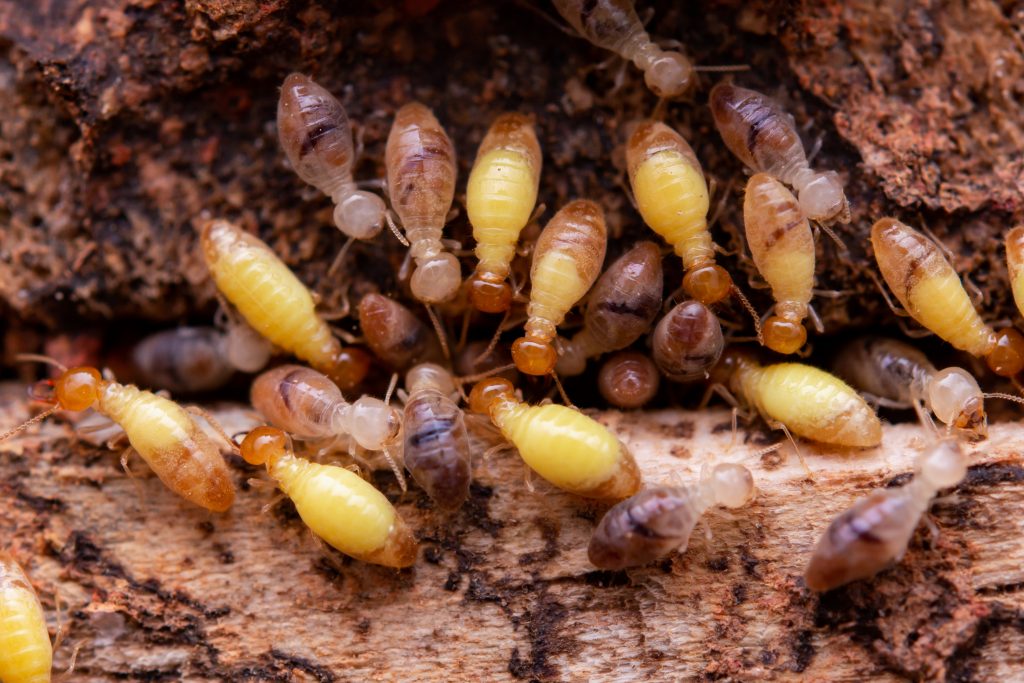
Coptotermes acinaciformis represents the most destructive termite species Sydney homeowners encounter. These subterranean termites build massive colonies containing up to one million individuals, capable of consuming several kilograms of timber per week. They construct extensive underground tunnel systems that can stretch over 100 meters from the nest.
Schedorhinotermes intermedius ranks as the second most common threat. While their colonies are smaller, typically housing 300,000 termites, they demonstrate aggressive feeding behavior and often attack sound, structural timber. These termites prefer damp environments and frequently infest properties with drainage issues or water leaks.
Nasutitermes exitiosus builds distinctive mound nests in gardens and under homes. Though less aggressive than Coptotermes, they still cause significant damage to weathered timber, fences, and landscaping features. Their visible mounds serve as warning signs for property owners.
Termite Risk Factors Specific to Sydney Properties
Building materials common in Sydney construction increase vulnerability. Weatherboard homes, particularly those built before 1990, often lack modern termite protection systems. Timber frames, flooring, and wall studs provide abundant food sources directly within the structure.
How Do Termites Cause Hidden Structural Damage?
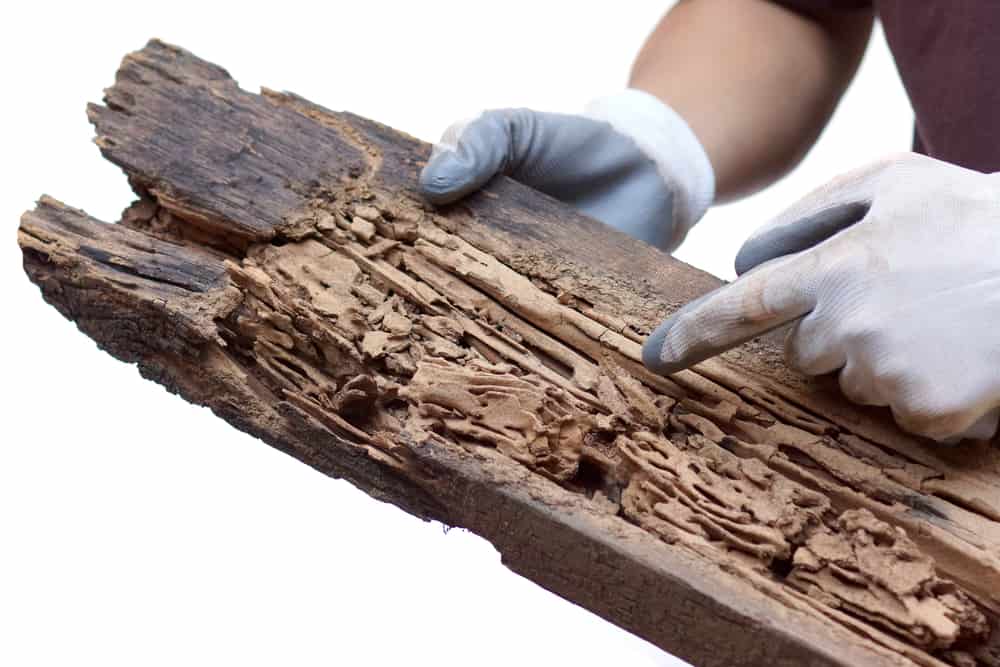
Termites earn their reputation as silent destroyers by consuming wood from the inside out, leaving outer surfaces intact while hollowing out critical structural components. These pests feed on cellulose found in timber, working methodically through wooden elements 24 hours a day without rest, creating extensive termite damage homeowners often don’t discover until significant harm has occurred.
The feeding patterns of termites make detection particularly challenging. Worker termites tunnel through wood while avoiding exposure to light and air, creating networks of galleries that weaken timber while maintaining a thin outer shell. This behavior allows colonies to consume large volumes of wood before any visible signs appear on the surface. A mature colony can contain hundreds of thousands of termites, each capable of consuming small amounts of wood that collectively result in devastating structural damage inflicted over time.
Critical Structural Elements at Risk
Support beams represent prime targets for termite activity, as these load-bearing members contain substantial amounts of timber. When termites compromise these beams, the entire structural integrity of a building becomes questionable. The gradual weakening may go unnoticed until the beam can no longer support its intended load, potentially leading to catastrophic failure.
Floor joists face similar risks, particularly in older Sydney homes where these horizontal supports sit close to ground level. Termites access these joists through foundation walls or pier supports, methodically consuming the timber from within. As the joists lose their structural capacity, floors begin to sag, bounce, or develop soft spots that indicate serious underlying damage.
Wall studs, roof trusses, and window frames also provide attractive food sources for termite colonies. These elements often contain moisture from condensation or minor leaks, making them even more appealing to termites that require both cellulose and moisture to thrive. The hidden nature of damage to these components means homeowners may not realize the extent of infestation until attempting renovations or experiencing structural failures.
Recognizable Warning Signs
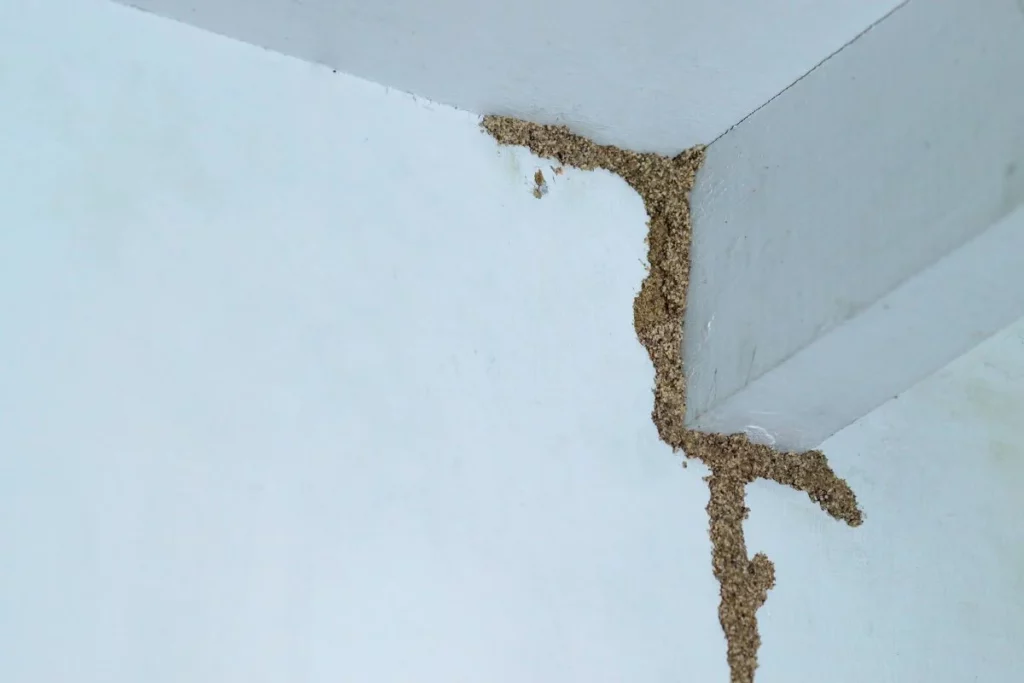
Mud tubes serve as protected highways termites construct to travel between soil and food sources. These pencil-width tunnels appear on foundation walls, brick surfaces, or concrete slabs, providing clear evidence of active termite movement. The tubes consist of soil, wood particles, and termite saliva
Why Are Annual Termite Inspections Critical for Sydney Homeowners?
Annual termite inspections are crucial for Sydney homeowners as they act as the first line of defense against severe structural damage caused by termites. This type of damage can be extremely expensive to fix, often costing tens of thousands of dollars. By conducting regular inspections, homeowners can detect termite infestations early on, when they are still manageable. This allows them to take action and prevent termites from causing further harm to their property’s structure.
The Financial Impact of Delayed Detection
If left untreated, termite infestations can cause significant damage and lead to high repair costs. In fact, a single colony that goes unchecked for just one year can destroy important load-bearing structures, turning a $3,000 treatment into a $30,000 renovation project. This is where the benefits of annual termite inspections become clear.
When comparing the cost of an inspection (which typically ranges from $200 to $350) with potential repair bills that often exceed $20,000 for extensive structural restoration, it becomes evident that investing in regular inspections is a wise decision.
Sydney homeowners who neglect to schedule regular assessments often only discover damage once visible signs appear. By this time, termites may have already compromised critical structural elements such as floor joists, roof trusses, and support beams. These damaged components will require complete replacement instead of simple treatment. It’s important to note that insurance policies usually do not cover termite damage, leaving property owners responsible for paying for repairs out of pocket.
Property Value Protection Through Consistent Monitoring
Consistent monitoring through annual termite inspections has a direct impact on property value and marketability. Homes with documented annual assessments show proactive maintenance efforts, which instill confidence in prospective buyers regarding the property’s structural integrity.
On the other hand, properties without inspection records raise immediate concerns during pre-purchase evaluations and may result in lower offers or failed sales.
In Sydney’s real estate market, termite clearance certificates are becoming increasingly necessary for transactions. As a result, having a history of inspections has become an essential selling point. Buyers frequently request inspection reports from previous years and use any gaps in documentation as leverage during negotiations.
Having a comprehensive record of inspections can significantly increase a property’s sale price by alleviating buyer worries about hidden damage.
Safety Considerations Beyond Financial Loss
It’s important to recognize that termite damage poses risks beyond just financial loss—it also creates genuine safety hazards. When structural supports are compromised due to termite activity, it can lead to dangerous situations such as:
- Collapsed ceilings in living spaces
- Unstable staircases with weakened stringers
- Sagging floors that present trip hazards
- Balcony failures caused by damaged joists
- Roof structural failures during storms
What Does a Professional Termite Inspection in Sydney Involve?
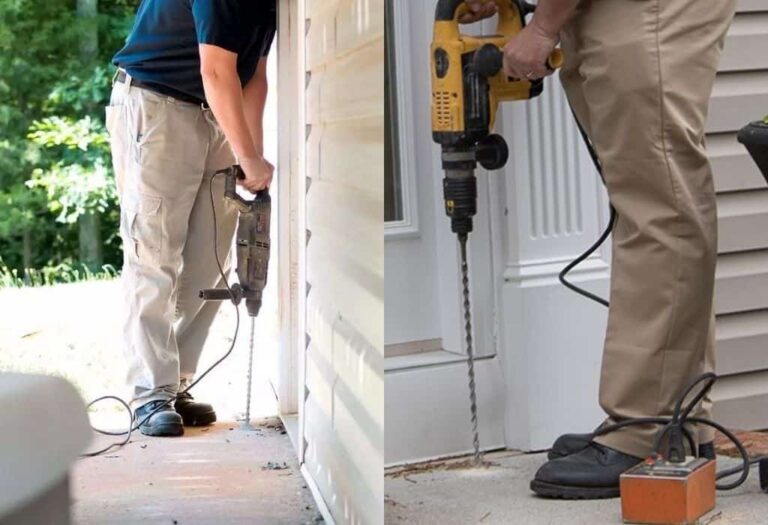
A professional termite assessment follows a systematic approach that examines every vulnerable area of your property. The termite inspection process Sydney specialists use begins at the property’s perimeter, where inspectors check the foundation, external walls, and soil levels for signs of termite activity or conducive conditions.
The exterior examination includes scrutinizing fence lines, retaining walls, garden beds, and any timber structures like decks or pergolas. Inspectors look for mud tubes—the telltale highways termites build to travel between their colony and food sources. They also assess drainage systems, downpipes, and areas where water accumulates, since moisture attracts these destructive pests.
Interior Assessment Protocol
Inside the home, inspectors methodically examine every accessible area where termites might establish themselves. The assessment covers:
- Subfloor spaces where termites often enter undetected
- Wall cavities and structural timbers throughout the building
- Roof voids and ceiling spaces where damage can remain hidden for years
- Built-in wardrobes and cupboards containing timber components
- Window and door frames that provide easy access points
- Skirting boards and architraves close to ground level
Each room receives careful attention, with inspectors tapping timber to detect hollow sounds indicating internal consumption. They probe wooden structures gently to identify weakened areas without causing unnecessary damage.
Advanced Detection Tools Termites Cannot Hide From
Modern professional termite assessment relies on sophisticated technology that reveals infestations invisible to the naked eye. For instance, thermal imaging cameras detect temperature variations in walls and floors, highlighting areas where termite activity generates heat or where moisture has compromised structural integrity.
Moreover, moisture meters measure humidity levels within timber and building materials. Elevated readings often indicate termite presence, as these pests introduce moisture while feeding and creating galleries inside wood. The devices help inspectors pinpoint problem areas requiring closer investigation.
Additionally, Termatrac devices use radar technology to detect movement inside walls without requiring invasive drilling or cutting. These motion sensors pick up termite activity behind plasterboard, brick veneer, and other solid surfaces, allowing inspectors to confirm active infestations in concealed locations.
How Often Should Properties in Sydney Be Inspected for Termites?
Annual inspections represent the baseline recommendation for all Sydney properties. Industry standards and pest control professionals advise scheduling a comprehensive termite assessment once every 12 months to maintain adequate protection against these destructive pests.
This termite inspection frequency Sydney standard applies to typical residential properties without elevated risk factors. The yearly interval allows professionals to detect early signs of termite activity before colonies establish themselves and cause significant structural damage. Properties that receive clean inspection reports can safely maintain this annual schedule while implementing preventative measures between assessments.
When Do Properties Need More Frequent Inspections?
High-risk properties termites target require inspection intervals of six months or even quarterly. Several specific circumstances warrant this increased vigilance:
Location-Based Risk Factors:
- Properties situated within 100 meters of bushland or natural reserves
- Homes backing onto parks, creeks, or wooded areas
- Buildings in suburbs with documented high termite activity
- Coastal properties where moisture levels remain consistently elevated
Property History Considerations:
- Previous termite infestations, even if successfully treated
- Past termite damage discovered during renovations or repairs
- Neighboring properties with active or recent termite problems
- Buildings where termite activity was detected during pre-purchase inspections
Structural Vulnerabilities:
- Older homes constructed before modern termite protection standards
- Properties with timber stumps, subfloor areas, or extensive wooden elements
- Buildings with poor drainage or persistent moisture issues
- Homes with attached timber decking, pergolas, or garden structures
Properties meeting multiple risk criteria benefit most from quarterly inspections. A home near bushland that previously experienced termite activity, for example, requires monitoring every three months to catch any renewed colony establishment immediately.
Adjusting Inspection Schedules Based on Findings
Inspection frequency adapts to what professionals discover during assessments. A property showing signs of termite pressure—such as nearby mud tubes or evidence of exploratory activity—may need six-month checks even without active infestation. Conversely, properties with comprehensive chemical barriers and no risk factors might maintain confidence with standard annual inspections.
Professional pest controllers provide specific recommendations based on each property’s unique circumstances, considering environmental conditions, building materials, and historical
What Are the Common Signs That Indicate a Termite Infestation?
Recognizing signs of termites Sydney homeowners should watch for can mean the difference between minor repairs and catastrophic structural damage. Termites leave distinct evidence of their presence, though they often work behind walls and beneath surfaces where detection becomes challenging without professional help.
1. Mud Tubes and Shelter Tunnels
Termites construct pencil-width mud tubes along walls, foundations, and other surfaces to travel between their colony and food sources. These earthen tunnels protect termites from light and maintain the moisture levels they need to survive. Check foundation walls, crawl spaces, and areas where concrete meets timber for these brown, dirt-like structures that indicate active termite movement.
2. Hollow-Sounding Timber
Wood that sounds hollow when tapped suggests termites have consumed the interior while leaving a thin veneer intact. Termites eat timber from the inside out, creating galleries that weaken structural integrity before visible damage appears. Test wooden beams, door frames, window sills, and skirting boards by tapping with a screwdriver handle—a hollow echo signals potential infestation.
3. Sawdust-Like Material (Frass)
Small piles of what appears to be sawdust near wooden structures indicate drywood termite activity. This fine, powdery substance consists of termite droppings pushed out of galleries as they tunnel through timber. Look for these accumulations beneath furniture, along baseboards, or near wooden fixtures.
4. Discarded Wings
Swarms of winged termites (alates) emerge during warmer months to establish new colonies. After finding a suitable location, they shed their wings in pairs, leaving small piles near windowsills, door frames, light fixtures, or spider webs. These translucent wings of equal size serve as clear termite infestation indicators.
5. Paint and Wallpaper Changes
Blistering, bubbling, or peeling paint that resembles water damage often conceals termite activity beneath the surface. Termites create moisture as they tunnel, causing paint to distort or wallpaper to bulge. Discolored or sagging wallpaper without apparent water leaks warrants immediate investigation.
6. Structural Deformities
Buckling
What Treatment Options Are Available for Termite Infestations in Sydney?
Termite treatment Sydney professionals offer several proven methods to eliminate active infestations and protect properties from future attacks. The choice of treatment depends on the specific circumstances of each property and the severity of the problem.
Chemical Soil Barriers
Chemical soil barriers create a protective zone around a property’s perimeter by applying liquid termiticides to the soil. Licensed pest controllers inject these chemicals into the ground at strategic points, forming a continuous barrier that termites cannot cross without exposure to the treatment. This method works by either repelling termites or eliminating them when they come into contact with the treated soil. The barrier typically remains effective for several years, providing long-term protection for homes. Professionals apply these treatments around foundations, beneath concrete slabs, and along potential entry points where termites might access the building.
Baiting Systems
Baiting systems offer a targeted approach that eliminates entire colonies rather than just individual insects. Pest controllers install monitoring stations around the property containing timber or cellulose material that attracts termites. Once termites discover these stations, technicians replace the monitors with bait cartridges containing slow-acting insect growth regulators. Worker termites carry the bait back to their colony, sharing it with other members including the queen. This process gradually destroys the entire colony over several weeks to months. Baiting systems work particularly well for properties where chemical barriers aren’t practical or for environmentally conscious homeowners seeking less invasive solutions.
Physical Barriers and Direct Nest Treatment
Physical barriers involve installing stainless steel mesh or graded stone particles during construction or renovation to prevent termite entry. These mechanical solutions create impenetrable obstacles that termites cannot breach. When technicians locate the actual termite nest, direct treatment through nest destruction provides immediate results. This method involves applying specialized termiticides directly into the colony, eliminating the queen and destroying the population at its source.
Customized Treatment Plans
Professional pest controllers design treatment strategies based on multiple factors specific to each property. Property size determines the extent of barrier installation or number of bait stations required. Infestation level influences whether aggressive chemical treatments or slower baiting methods are appropriate. Environmental conditions such as soil type, moisture levels, and proximity to water sources affect chemical efficacy and baiting success rates.
By tailoring treatments to these variables, pest controllers maximize effectiveness while minimizing disruption to occupants and surroundings.
How Can Homeowners Prevent Termite Infestations Beyond Inspections?
Termite prevention measures Sydney homeowners can implement extend far beyond scheduled inspections. Active prevention creates multiple layers of defense that make properties less attractive to these destructive pests and significantly reduce infestation risks.
Reducing Moisture Termites Find Appealing
Reducing moisture termites find appealing starts with proper drainage management:
- Gutters should direct water away from foundations
- Downspouts need extensions that discharge at least one meter from the building
- Fix leaking taps, pipes, and air conditioning units immediately, as termites require moisture to survive
- Ensure proper ventilation in subfloor areas and roof spaces to prevent condensation buildup
- Avoid standing water near foundations, as it creates ideal conditions for colony establishment
Landscape Maintenance Plays a Critical Role in Prevention
Landscape maintenance plays a critical role in prevention:
- Remove all timber debris, dead tree stumps, and fallen branches from around the property perimeter
- Store firewood at least six meters away from the house and elevate it off the ground
- Avoid placing mulch directly against exterior walls—maintain a gap of at least 300mm between garden beds and the building structure
- Trim dense vegetation touching the house to eliminate hidden pathways for termite entry
Sealing Entry Points Termites Exploit
Sealing entry points termites exploit requires careful attention to building vulnerabilities:
- Fill cracks in concrete foundations with appropriate sealants
- Repair damaged mortar joints in brick walls
- Install mesh screens over weep holes to prevent termite access while maintaining ventilation
- Seal gaps around plumbing and electrical penetrations
- Replace damaged weatherstripping around doors and windows
Construction Choices Significantly Impact Long-Term Protection
Construction choices significantly impact long-term protection:
- Use termite-resistant materials such as steel frames, concrete, treated timber, or naturally resistant hardwoods like ironbark during new builds or renovations
- Install physical barriers like stainless steel mesh or granite particles during construction phases to create impenetrable zones that force termites into visible areas where detection becomes easier
Regular Property Maintenance Supports Prevention Efforts
Regular property maintenance supports prevention efforts:
- Trim tree branches and shrubs that contact the building, creating potential termite bridges
- Repair roof tiles and flashing promptly to prevent water intrusion
- Keep subfloor areas clear of stored items that could harbor termite activity unnoticed
- Document any structural modifications that might affect future inspection access points
What Are the Typical Costs Associated with Termite Inspections and Treatments in Sydney?
Understanding Inspection Costs
Professional termite inspection costs in Sydney typically range from $200 to $350 AUD for standard residential properties. The price varies based on property size, accessibility of inspection areas, and the complexity of the building structure. Larger homes with multiple levels or extensive subfloor areas may fall toward the higher end of this range.
Homeowners seeking comprehensive property assessments often opt for combined pest and building inspections, which cost between $350 and $550 AUD. These bundled services provide better value than booking separate inspections, as they examine both termite activity and broader structural concerns during a single visit. This approach proves particularly beneficial for pre-purchase inspections or when selling a property.
Understanding Treatment Expenses
Pest control pricing for active termite infestations represents a significantly larger investment than preventative inspections. Treatment expenses typically range from $3,000 to $6,000 AUD for most residential properties, though severe cases may exceed this bracket. Several factors influence the final cost:
- Extent of infestation – Colonies affecting multiple areas require more extensive treatment
- Property size and layout – Larger homes need more materials and labor hours
- Treatment method selected – Chemical barriers, baiting systems, or physical barriers each carry different price points
- Accessibility challenges – Hard-to-reach areas like subfloors or wall cavities increase labor costs
- Follow-up treatments – Some methods require ongoing monitoring and maintenance
Breaking Down the Investment
Chemical soil barrier installations typically cost between $3,000 and $5,000 AUD, creating a protective perimeter around the property similar to a termite barrier treatment. Baiting systems start around $3,500 AUD and include regular monitoring visits to ensure colony elimination. Properties requiring nest destruction or extensive structural repairs face additional expenses beyond standard treatment costs.
The stark contrast between inspection costs ($200-$350 AUD annually) and treatment expenses ($3,000-$6,000 AUD) demonstrates why Termite Inspections Sydney: Why Annual Assessments Prevent Costly Damage remains a critical topic for property owners. Detecting termite activity during routine inspections allows for early intervention, potentially saving thousands.
Conclusion
How can Sydney homeowners best protect their properties from termite damage?
The answer lies in consistent annual assessments combined with professional intervention when needed. Benefits annual termite inspections provide extend far beyond simple peace of mind—they serve as your first line of defense against silent destroyers that can compromise your home’s structural integrity.
Protecting home investment termites requires a proactive approach rather than reactive measures. Annual inspections allow professionals to detect early warning signs before colonies establish themselves deep within your property’s framework. This early detection capability transforms a potential disaster into a manageable situation.
Avoiding costly repairs termites cause becomes achievable when homeowners commit to regular inspection schedules. The investment of $200-$350 annually for inspections pales in comparison to the $3,000-$6,000+ required for treatment, not to mention the tens of thousands potentially needed for structural repairs.
Tailored professional treatments offer the most effective defense strategy. Each property presents unique challenges based on construction materials, environmental conditions, and historical termite activity. Customized treatment plans address these specific vulnerabilities.
Sydney’s climate won’t change, and termites won’t disappear. Your best protection remains vigilance through scheduled assessments. Establish a relationship with a qualified pest inspector, mark inspection dates on your calendar, and treat these appointments as essential property maintenance—because they are.