Termite Control Sydney: Proven Solutions for Eliminating Termite Activity
What are the Common Termite Species Affecting Properties in Sydney?
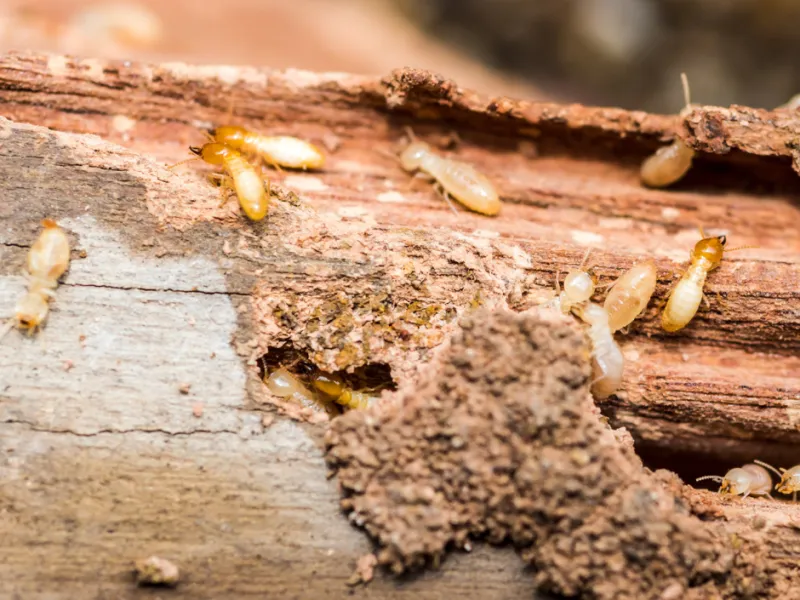
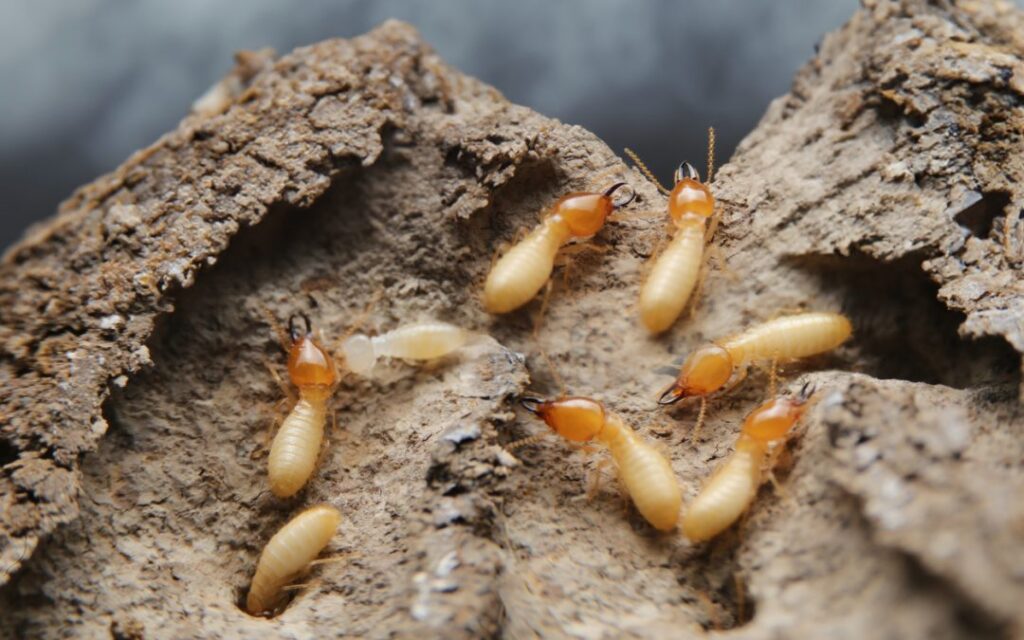
Subterranean termites Sydney and drywood termites Sydney are the two main types of termites that pose a threat to properties in the area. Subterranean termites live in colonies underground and create mud tubes to move between the soil and their food sources, while drywood termites build their colonies inside the wood they eat.
Subterranean Termites: The Underground Threat
Subterranean termites are responsible for most termite infestations in Sydney, making termite control sydney a critical consideration for homeowners. These pests create large underground networks that can contain millions of worker termites. They need constant access to moisture and soil, which strongly influences their behaviour:
- They construct mud tubes along foundations, walls, and pipes to retain humidity while traveling.
- They attack wooden structures, flooring, and any materials containing cellulose from below.
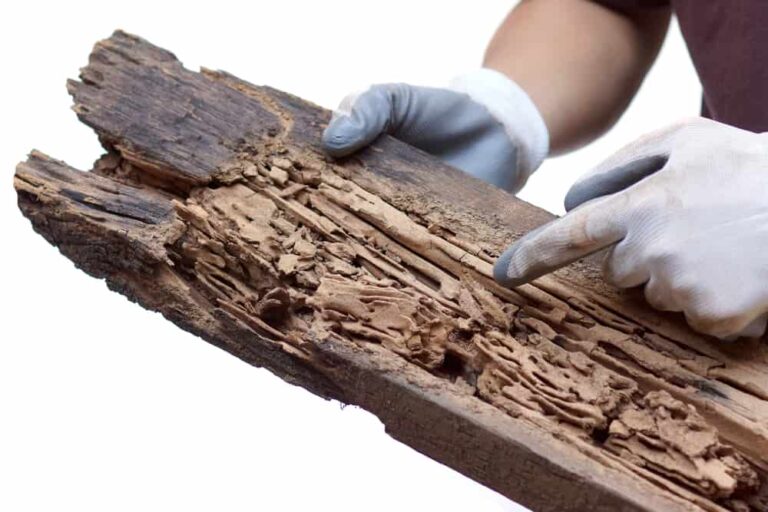
- They carve out hollow galleries inside wood, compromising its strength before any visible damage occurs.
- They thrive in Sydney’s humid climate, especially during the warmer months.
Drywood Termites: The Hidden Invaders
Unlike subterranean termites, drywood termites live entirely within the wood they infest. They extract moisture from the timber itself, making them difficult to detect until significant damage has been done. These termites typically:
- Infest attic spaces, furniture, door frames, and window sills.
- Leave behind distinctive pellet-shaped droppings near entry points.
- Do not require contact with soil, allowing them to invade upper levels of buildings.
- Create smaller colonies but cause concentrated damage in specific areas.
Why Species Identification Matters
Accurate identification of termite species Sydney is crucial for effective treatment. Subterranean termites need chemical barriers and baiting systems targeting their underground colonies, while drywood termites require direct treatments on the wood and localized interventions. If the species is misidentified, it can lead to ineffective treatments, wasted resources, and ongoing structural damage. Professional Termite Control Sydney: Proven Solutions for Eliminating Termite Activity always starts with thorough inspections to accurately identify the species.
How are Termite Infestations Detected Early?
Early detection relies on comprehensive termite inspections Sydney professionals conduct using systematic property assessments. These inspections examine all vulnerable areas including subfloors, roof voids, wall cavities, and external perimeters where termites typically establish entry points.
Advanced termite detection tools have changed how specialists find hidden infestations. Here are some of the tools used:
- Thermal imaging cameras: These cameras detect temperature differences behind walls and floors caused by termite activity. The heat generated by colonies is different from the surrounding materials, which can be identified using thermal imaging. This thermal imaging technology allows inspectors to scan large areas quickly without invasive procedures. The infrared readings reveal active colonies by detecting the warmth they produce, even when mud tubes and physical damage remain invisible to the naked eye.
- Moisture meters: Moisture meters measure humidity levels in specific areas. Since termites are attracted to moisture, elevated humidity levels can indicate potential nesting sites, especially in areas that are difficult to see.
Termite-detection dogs trained to recognize termite pheromones provide another layer of accuracy. These canines identify live colonies with remarkable precision, distinguishing between active infestations and old, abandoned nests that visual inspections might misinterpret.
Visual assessments remain fundamental to detection protocols. Licensed technicians search for telltale signs including:
- Mud tubes along foundations and walls
- Hollow-sounding timber when tapped
- Discarded wings near entry points
- Frass (termite droppings) accumulating below infested wood
- Sagging floors or bubbling paint indicating structural damage
In addition to these traditional methods, staying informed about home pest control trends can also aid in early detection and prevention of termite infestations. It’s crucial for homeowners to be aware of what to look for when it comes to termites. Some key signs include the presence of mud tubes, hollow sounds in wood, discarded wings, frass accumulation, and any structural changes like sagging floors or bubbling paint.
What Tailored Treatment Plans are Effective for Termite Control?
Customized treatment plans address specific termite species and infestation severity identified during inspections. Pest control professionals select from three primary approaches depending on whether subterranean or drywood termites threaten the property.
1. Soil Treatments for Subterranean Termites
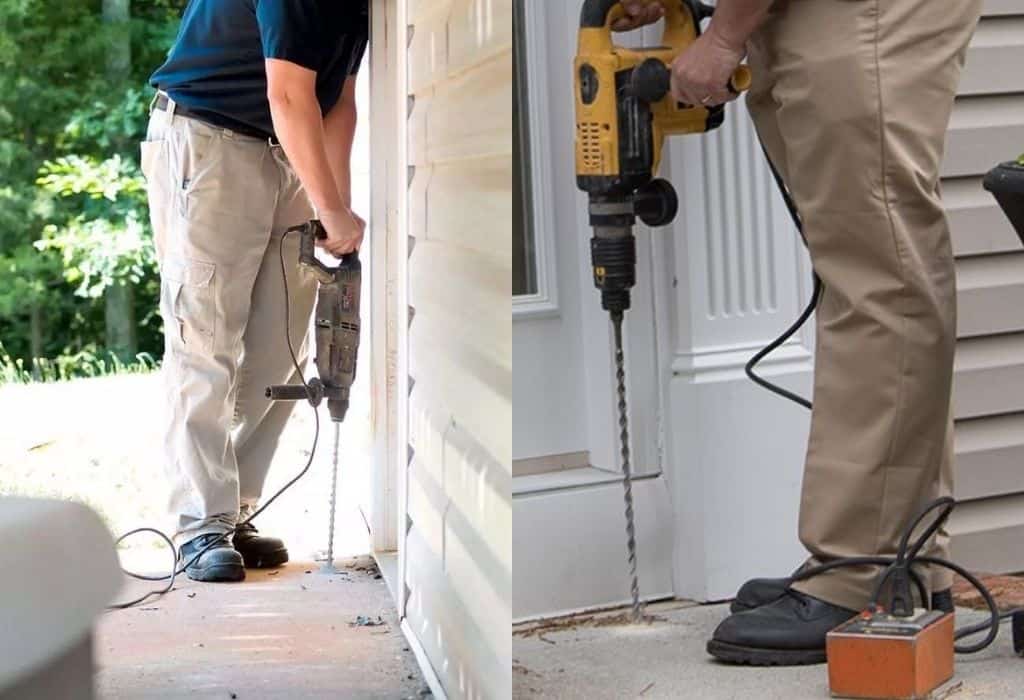
Soil treatments involve liquid termiticides applied around building foundations. Products like Termidor HE containing fipronil create invisible chemical barriers that remain effective for 5-8 years. Subterranean termites contact the treated soil while foraging, eliminating entire colonies as they transfer the active ingredient back to their nests.
2. Baiting Systems for Subterranean Termites
Termite baiting systems offer a targeted solution using stations placed strategically around properties. The Sentricon system and similar products contain slow-acting insecticides such as Hexaflumuron or Novaluron. Worker termites consume the bait and share it throughout the colony, triggering complete collapse within 3-6 months without requiring extensive chemical application to soil.
3. Direct Wood Treatment for Drywood Termites
Direct wood treatment involves protective coatings applied to affected surfaces. Pest control technicians use specialized sprays or essential oil formulations that penetrate wood fibers, creating a defensive barrier against drywood termites. These spot treatments protect vulnerable areas like window frames, roof timbers, and furniture without requiring whole-structure fumigation.
Each method addresses different termite behaviors and nesting patterns, allowing professionals to combine approaches when properties face multiple species simultaneously. You may visit https://climaterefarm.com/termite-inspections-sydney-why-annual-assessments-prevent-costly-damage/ to learn about termite inspections sydney: why annual assessments prevent costly damage
How Can Long-Term Prevention Minimize Termite Risks?
Long-term termite prevention Sydney strategies create hostile environments that deter termites from establishing colonies near structures. Eliminating food sources forms the foundation—removing wood piles, lumber scraps, tree stumps, and cellulose debris from around foundations denies termites their primary nutrition source. Storing firewood at least 20 meters away from buildings and clearing dead vegetation prevents accidental infestations.
Moisture Control
Moisture control termites depend on for survival becomes a critical prevention factor. Fixing leaky pipes, improving drainage systems, and installing proper ventilation in crawl spaces reduces humidity levels that attract termite colonies. Redirecting downspouts away from foundations and maintaining gutters prevents water accumulation in soil adjacent to structures.
Physical Barriers
Physical barriers termites cannot penetrate provide lasting protection when properly installed. Polymer sheets placed during construction create impenetrable layers between soil and building materials. Stainless steel mesh with apertures smaller than termite body width blocks entry points around pipes and foundation penetrations. These barriers often receive treatment with residual insecticides like bifenthrin for dual-action protection.
Regular Property Maintenance
Regular property maintenance completes the prevention approach. Sealing cracks in concrete foundations, replacing damaged weatherstripping, and ensuring wood-to-soil contact never occurs maintains defensive perimeters. Annual inspections verify barrier integrity and identify emerging risk factors before termites establish footholds.
Why Is Professional Expertise Crucial in Termite Management?
Licensed pest control Sydney professionals bring specialized knowledge that homeowners cannot replicate through DIY methods. These experts identify termite species accurately, assess infestation severity, and apply treatments precisely where needed. Their training ensures proper handling of chemical termiticides and baiting systems, reducing risks of misapplication that could compromise effectiveness or safety.
A comprehensive termite treatment warranty provides essential financial protection and peace of mind. Reputable providers typically offer warranties spanning 5-8 years, covering both treatment effectiveness and structural damage caused by new termite activity. These guarantees include scheduled monitoring
What Eco-Friendly Solutions Are Available for Safe Termite Control?
Eco-friendly termite treatment Sydney providers now offer botanical-based insecticides and low-toxicity formulations that eliminate termites without compromising indoor air quality. These products use naturally derived compounds like orange oil (d-limonene) and neem oil extracts that disrupt termite nervous systems while remaining harmless to humans and animals.
Safe pest control families pets solutions have become standard practice among leading Sydney termite specialists. Modern baiting systems contain insect growth regulators that specifically target termite biology, making them non-toxic to mammals, birds, and beneficial insects. The active ingredients work only when ingested by termites and break down rapidly in soil.
Heat treatment represents another chemical-free option where affected areas are heated to 120-140°F, killing termites at all life stages without leaving residues. This method suits drywood termite infestations in furniture or isolated structural elements.
Physical barriers made from stainless steel mesh or crushed rock provide permanent protection without chemicals. These materials create impenetrable zones that termites cannot breach, offering decades of defense with zero environmental impact.
Sydney’s climate allows for biological control agents like nematodes—microscopic worms that parasitize termites naturally. Applied to soil around foundations, these organisms hunt termites while posing no risk to household members or garden ecosystems.
How Does Ongoing Monitoring Help Maintain Termite Protection?
Termite monitoring Sydney services provide continuous surveillance that catches new colonies before they establish destructive footholds. Regular inspections—typically scheduled every 3-6 months—allow pest control professionals to identify fresh termite activity, assess the condition of existing barriers, and respond immediately to emerging threats. This proactive approach prevents minor issues from escalating into costly structural repairs.
Maintenance inspections termites focus on preserving the effectiveness of installed protection systems. Chemical barriers degrade naturally over time due to soil conditions, rainfall, and microbial breakdown, requiring periodic assessment and potential reapplication after 5-8 years. Baiting stations need consistent monitoring to ensure bait remains fresh, stations stay intact, and termites continue feeding on the insecticide-laced material. Without regular checks, these systems lose their protective capabilities.
Professional monitoring visits include:
- Examining bait stations for termite activity and replenishing consumed bait
- Testing soil treatment zones for chemical concentration levels
- Inspecting physical barriers for breaches or deterioration
- Documenting environmental changes that may attract termites
- Updating treatment protocols based on seasonal termite behavior patterns
For long-term solutions, property owners often wonder about the effectiveness of traditional versus eco-friendly termite treatment methods. The ongoing vigilance provided by professional monitoring significantly enhances the success rate of these treatments.
Termite Control Sydney: Proven Solutions for Eliminating Termite Activity relies heavily on this ongoing vigilance. Properties with documented monitoring schedules experience significantly fewer reinfestation incidents compared to those relying solely on one-time treatments, making regular maintenance inspections an essential component of comprehensive termite management strategies. Furthermore, understanding the biological aspects of termite behavior can also inform better management practices and preventive measures.
Why Choose Professional Pest Control Services in Sydney?
Effective termite control in Sydney requires specialized knowledge and proven methods that only licensed professionals can provide. DIY methods often overlook hidden colonies and fail to tackle the underlying causes of infestations, resulting in recurring damage and rising repair costs.
Professional services offer comprehensive solutions that include:
- Advanced detection technology such as thermal imaging and moisture meters that can spot termite activity that untrained eyes can’t see
- Customized treatment plans using industry-grade products like Termidor HE and Sentricon baiting systems that have been shown to eliminate entire colonies
- Long-term warranties that guarantee the effectiveness of the treatment and ongoing monitoring, giving you financial protection against future infestations
- Regulatory compliance making sure that all applications meet Australian safety standards while keeping families and pets safe
Termite Control Sydney: Proven Solutions for Eliminating Termite Activity provided by experienced technicians prevent structural damage that can cost tens of thousands in repairs. Licensed providers understand Sydney’s unique termite species, seasonal patterns, and environmental factors that influence infestation risks, delivering targeted interventions that protect properties for years instead of months.