
How Termite Control Services Protect Structural Timber in NSW Homes
The key point is simple: they are not just “killing bugs”. They are managing risk to the building’s frame, flooring systems, roof timbers, and other load-bearing elements.
What makes termites such a serious risk to structural timber in NSW?
Termites feed on cellulose, which is found in most timber products used in home construction. Because of this, termite control services are often necessary when termites begin hollowing out framing, joists, and bearers from the inside, leaving surfaces that look fine until the timber is structurally compromised.
NSW conditions can also support termite activity for long periods of the year, especially where there is moisture, garden landscaping against walls, or subfloor ventilation issues. In these situations, professional termite control services help reduce the risk of long-term structural damage.
How do termite control services find activity before major timber damage happens?
They locate termite presence by combining visual checks with targeted tools and experience. A proper inspection focuses on likely entry points and the timbers termites prefer, not just obvious surface signs.
They often check subfloors, roof voids, wet areas, expansion joints, weep holes, fences, and garden beds near the house. When needed, they may use moisture meters, sounding techniques, or thermal imaging to pinpoint risk zones.
How do treatments actually stop termites from eating structural timber?
They stop damage by eliminating active termites and cutting off access to timber. This is usually done with one or more methods depending on the property type and termite pressure in the area.
Common approaches include baiting systems that target the colony over time and chemical treatments that create treated zones termites cannot safely cross. The goal is to protect structural timber by breaking the termites’ feeding and travel patterns.
What role do chemical barriers play in protecting NSW homes?
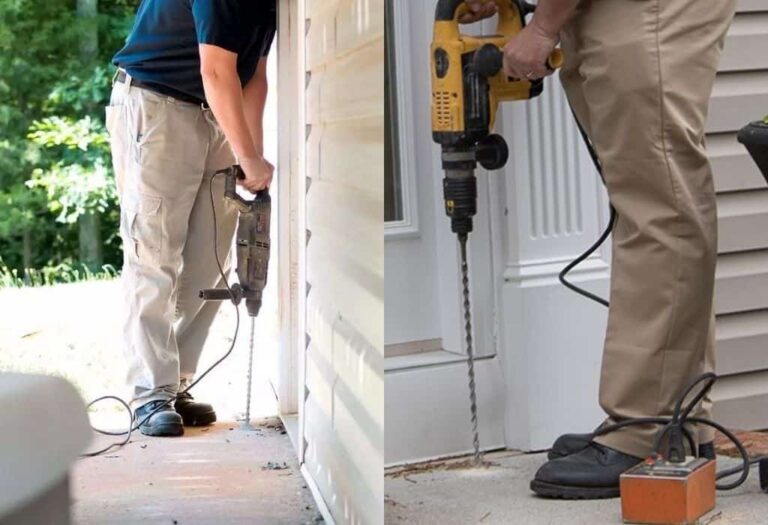
Chemical barriers are designed to create a protective treated zone between the soil and the building. This reduces the chance of termites reaching structural timber undetected.
In many NSW homes, termites come from the ground and enter through slab penetrations, wall cavities, or concealed bridging points. A correctly applied barrier helps manage that risk, but it still relies on good workmanship and ongoing monitoring.
Why are termite baiting systems used so often for timber protection?
Baiting systems are used because they can reduce the termite colony itself, not just repel termites from one spot. They work by placing monitored stations around the property, then introducing a bait that is taken back to the nest.
This can be especially useful where chemical barriers are difficult, or where long-term monitoring is the priority. It is not instant, but it is targeted and can be highly effective when maintained.
How do professionals address hidden entry points that homeowners miss?
They look for “bridging” and concealed pathways that let termites bypass protection and reach timber. These are often created by landscaping, stored materials, or building features that touch the ground.
Examples include garden beds against brickwork, timber steps in contact with soil, pavers built over weep holes, and leaking pipes that raise moisture. Professionals also consider how extensions, renovations, or poor drainage may have changed termite risk over time. Check out more about Rat Pest Control Sydney: Health Dangers Lurking in Roof Cavities.
What does an ongoing termite management plan usually include?
It usually includes regular inspections, monitoring, and maintenance of any barriers or baiting stations. This matters because termite pressure can change with seasons, weather, and nearby building activity.
Most plans also include practical guidance on reducing risk, such as improving drainage, keeping subfloor vents clear, and avoiding timber-to-soil contact. The plan is about keeping structural timber protected long after the initial treatment.

How do termite services help protect structural timber during repairs or renovations?
They help by ensuring damaged timber is assessed correctly and replacement materials are not immediately exposed to the same conditions. Treatments are often coordinated with builders so that new structural timber is protected from day one.
They may recommend pre-construction or post-renovation barriers, as well as changes to site conditions that reduce risk. This prevents the common cycle where timber is replaced, but termites return through the same entry route.
When should NSW homeowners book termite inspections to protect structural timber?
They should book inspections regularly, and immediately if there are warning signs such as mud tubes, soft timber, bubbling paint, tight doors, or unexplained moisture. Waiting for “visible damage” is risky because structural timber can be affected long before it looks bad.
Even without signs, inspections matter because termites are often active in concealed areas. Professional services are most protective when they find and manage the risk early, not after the frame has been compromised.
FAQs (Frequently Asked Questions)
What makes termites a serious threat to structural timber in NSW homes?
Termites feed on cellulose found in most timber used in home construction, hollowing out framing, joists, and bearers from the inside. This internal damage can compromise structural integrity without obvious surface signs. Additionally, NSW’s climate supports termite activity for much of the year, especially where moisture, garden landscaping against walls, or subfloor ventilation issues exist.
How do professional termite control services detect termite activity before major damage occurs?
Termite inspections combine visual checks with specialised tools and expertise, focusing on likely entry points and preferred timbers. Professionals inspect subfloors, roof voids, wet areas, expansion joints, weep holes, fences, and garden beds near the home. They may use moisture meters, sounding techniques, or thermal imaging to identify risk zones early.
What methods do termite treatments use to protect structural timber in NSW homes?
Termite treatments aim to eliminate active termites and block access to timber using baiting systems that target colonies over time and chemical treatments creating barriers termites cannot cross safely. These approaches disrupt termite feeding and travel patterns to safeguard load-bearing elements like framing and roof timbers.
How do chemical barriers function in termite protection for NSW houses?
Chemical barriers create a treated zone between the soil and building structure that reduces the chance of termites reaching timber undetected. Since many termites enter through slab penetrations or concealed bridging points from the ground up, a properly applied chemical barrier is essential for managing this risk alongside ongoing monitoring.
Why are termite baiting systems commonly used for long-term timber protection?
Baiting systems reduce the entire termite colony by placing monitored stations around the property with bait taken back to the nest. This method is especially useful where chemical barriers are difficult or when long-term monitoring is needed. While not instant, baiting is targeted and effective when maintained correctly.
When should NSW homeowners schedule termite inspections to protect their structural timber?
Homeowners should arrange regular inspections and seek immediate assessments if they notice warning signs such as mud tubes, soft timber, bubbling paint, tight doors, or unexplained moisture. Early detection is crucial because termites can significantly damage structural timber before visible signs appear. Routine professional inspections help manage risks proactively.