How Much Does Tree Removal Blue Mountains Cost on Average?
What Are The Average Costs For Tree Removal In The Blue Mountains?
Tree removal in the Blue Mountains typically costs between £500 and £7,000, with most homeowners paying around £1,500 to £3,000 for standard removals. The wide price range reflects the unique challenges of working in this mountainous region, where steep terrain and protected bushland create varying levels of complexity.
The average tree removal cost Blue Mountains residents can expect depends on several interconnected variables. Small trees under 5 metres might cost as little as £500 to remove, whilst large eucalyptus or gum trees exceeding 20 metres can push costs beyond £7,000. Medium-sized trees between 8 and 15 metres generally fall within the £1,200 to £2,500 range.
Understanding how much does tree removal Blue Mountains cost on average requires looking beyond simple height measurements. The region’s distinctive landscape presents unique considerations:
- Terrain challenges: Sloped properties and rocky ground increase equipment requirements
- Heritage restrictions: Some areas have strict regulations on tree removal
- Native species: Australian natives like eucalyptus require specialised handling
- Weather conditions: Blue Mountains’ climate can affect scheduling and safety protocols
Local tree removal specialists factor in these regional characteristics when providing quotes. Properties with difficult access, such as those requiring rope and harness techniques or crane assistance, will see higher costs. Trees located near power lines, buildings, or boundary fences also command premium pricing due to the precision and safety measures required.
The investment in professional tree removal protects both property and the surrounding bushland ecosystem that makes the Blue Mountains special.
What Factors Influence The Cost Of Tree Removal In The Blue Mountains?
1. Tree Size
Tree size stands as the primary cost driver, with larger trees requiring more time, labour, and specialised equipment. A small tree under 5 metres might cost £500-£1,000, whilst medium trees (5-15 metres) typically range from £1,000-£3,000. Large trees exceeding 15 metres can easily surpass £3,000, with some removals reaching £7,000 or more when height and canopy spread create complex challenges.
2. Tree Height and Diameter
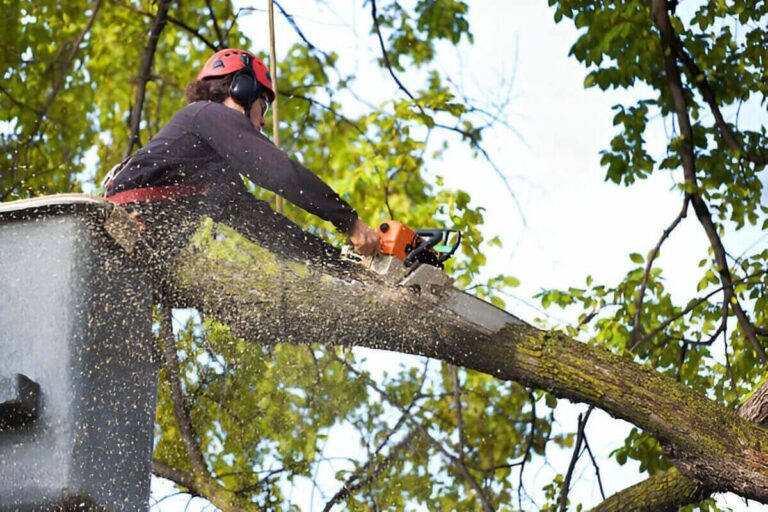
Taller trees demand additional safety measures and equipment. Arborists must often climb to significant heights or deploy cherry pickers and cranes, adding substantial equipment hire costs to the quote. The trunk diameter equally impacts pricing—thicker trunks require more cutting time and generate considerably more waste material for disposal.
3. Tree Species
Different tree types carry varying removal difficulties based on wood density and growth patterns. Hardwoods like eucalyptus species common in the Blue Mountains require more cutting time and blade sharpening due to their dense timber. Softwoods generally process more quickly, potentially reducing labour costs.
Native species with protected status may require council permits before removal, adding administrative costs and time delays. Certain species develop extensive root systems that complicate stump removal, whilst others have brittle wood that increases safety risks during dismantling.
4. Tree Health
Dead or diseased trees often cost more to remove despite lacking foliage. Compromised structural integrity makes these trees unpredictable and dangerous, requiring extra precautions and slower work rates. Arborists cannot climb dead trees safely, necessitating alternative equipment like elevated work platforms.
Pest-infested trees may require special disposal methods to prevent spreading infestations, adding waste management fees. Trees weakened by disease can splinter unexpectedly during cutting, demanding heightened safety protocols that extend job duration.
5. Site Accessibility
Are There Additional Costs Beyond Basic Tree Removal?
Emergency tree removal fees can significantly increase your total bill, often adding 50-100% to standard rates. Storm-damaged trees requiring immediate attention or those posing imminent safety risks typically incur these premium charges due to after-hours work, rapid response requirements, and increased safety protocols.
What Do Emergency Removal Services Cost?
Urgent removals outside business hours command higher prices because crews must mobilise equipment and personnel at short notice. Weekend and public holiday callouts attract the steepest premiums, with some companies charging double their standard rates for immediate response.
The complexity of emergency situations adds to costs. Fallen trees entangled in power lines require coordination with utility companies, whilst trees leaning dangerously over structures demand specialised rigging techniques and additional safety measures.
How Much Are Waste Disposal Fees?
Waste disposal fees range from £150 to £500 depending on the volume of debris and your chosen disposal method. Most removal companies offer two options: transporting green waste to authorised tips or converting the material into usable mulch.
Tip disposal typically costs less upfront but provides no residual value. The fees cover:
- Transportation to licensed waste facilities
- Tipping charges based on weight or volume
- Additional handling for contaminated or diseased wood
Mulch production services may cost slightly more but deliver wood chips you can use for garden beds, pathways, or erosion control. Some homeowners offset these costs by selling excess mulch or arranging collection by landscaping companies.
What Does Stump Removal Add To The Bill?
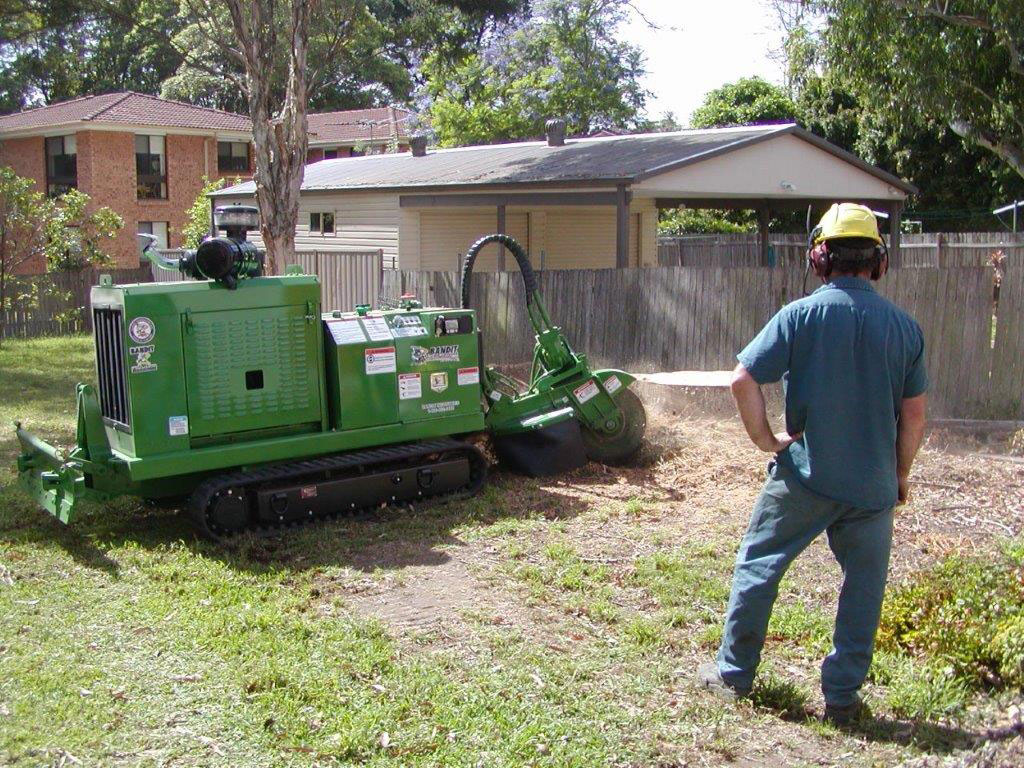
Stump removal cost typically ranges from £150 to £600 per stump, calculated based on diameter and root system complexity. This separate charge reflects the specialised equipment and labour required for grinding stumps below ground level.
Pricing structures for stump grinding include:
- Per-stump rates: £150-£300 for small stumps (under 30cm diameter)
- Diameter-based pricing: £4-£8 per centimetre of stump width
- Hourly rates: £200-£400 for multiple stumps or complex root systems
Leaving stumps in place creates ongoing problems. New shoots often sprout from dormant buds, leading to potential hazards or aesthetic concerns in your landscape design.
Why Is Stump Removal Recommended After Tree Removal?
Leaving a stump in the ground creates multiple problems that escalate over time. The remaining root system often continues to send up new shoots, requiring repeated cutting and creating an ongoing maintenance burden that many property owners underestimate. Moreover, the leftover tree stumps become a magnet for pests and diseases, further complicating the situation.
Tree stumps become ideal breeding grounds for fungi, bacteria, and wood-boring insects. The decomposing wood attracts termites, carpenter ants, and beetles that can eventually migrate to nearby structures or healthy trees. This decay process typically takes 3-7 years, during which the stump becomes increasingly unstable and hazardous.
Physical Hazards and Property Concerns
Stumps pose genuine safety risks, particularly in areas where children play or where mowing occurs regularly. Hidden beneath grass or leaf litter, they create tripping hazards that can result in serious injuries. Lawn equipment damage is another common consequence, with mower blades and trimmer lines frequently striking concealed stumps.
The space occupied by a stump limits landscaping options and prevents full use of your property. Garden beds, pathways, and new plantings become impossible in areas where stumps and their extensive root systems remain. Property values can suffer when stumps create an unkempt appearance or restrict usable outdoor space.
Stump Removal Benefits Through Professional Grinding
Professional stump grinding eliminates these issues by reducing the stump to wood chips 15-30cm below ground level. This depth allows for soil replacement and immediate replanting or lawn restoration. The grinding process destroys the root crown, preventing sprouting and accelerating the natural decomposition of remaining roots.
The wood chips produced during grinding serve as valuable mulch for garden beds or can be removed entirely depending on your landscaping plans. Professional services include cleanup and site restoration, leaving your property ready for its next use. When factoring how much does tree removal Blue Mountains cost on average, including stump grinding in the initial service typically costs less than arranging it separately later.
Ground stumps not only prevent insect infestation by eliminating the food source that attracts pests but also remove the visual reminder of the removed tree, creating a clean slate for new landscaping projects. Most grinding services in the Blue Mountains add £150-£500 to your total tree removal cost, varying with stump size.
What Services Do Professional Tree Removal Companies Offer In The Blue Mountains?
Professional tree removal services in the Blue Mountains offer more than just cutting down and removing unwanted trees. Qualified and insured local teams provide a wide range of tree care solutions that cater to both immediate needs and long-term property management goals.
Core Services Available
- Tree removal – Complete extraction of trees that pose safety risks or interfere with property development
- Pruning – Strategic trimming to improve tree health, shape, and structural integrity
- Lopping – Removal of specific branches to reduce weight, clear pathways, or eliminate hazards
- Stump grinding – Mechanical removal of stumps to ground level or below
- Emergency tree services – Rapid response for storm damage or fallen trees
- Arborist reports – Professional assessments documenting tree health, risks, and recommended actions
Do I Need an Arborist Assessment Before Tree Work?
Arborist assessments provide essential insights that protect both your property and investment. Qualified arborists evaluate tree health, identify structural weaknesses, and determine whether removal, pruning, or other interventions offer the best solution.
These reports prove particularly valuable when dealing with council regulations in the Blue Mountains, as many areas require permits for removing trees above certain sizes. An arborist report documents the justification for tree work and ensures compliance with local environmental protection measures.
What Makes Pruning and Lopping Different From Removal?
Pruning focuses on selective branch removal to enhance tree health and appearance whilst maintaining the tree’s natural form. This service addresses dead or diseased branches, improves air circulation through the canopy, and reduces the risk of limb failure during storms.
Lopping involves more substantial branch removal, typically performed when trees have grown too large for their location or pose clearance issues with buildings, power lines, or roads. Skilled arborists use proper cutting techniques to minimise stress on the tree and promote healthy regrowth where appropriate.
Both services require expertise to avoid damaging the tree or creating future hazards. Improper cuts can leave trees vulnerable to disease, decay, and structural failure.
How Can Regular Tree Maintenance Affect Future Removal Costs?
Consistent tree maintenance significantly reduces the likelihood of costly emergency removals. Regular pruning and professional inspections keep trees healthy and structurally sound, preventing the deterioration that often leads to urgent, expensive interventions. When trees receive proper care, they’re less likely to develop dangerous conditions requiring immediate attention at premium rates.
Benefits of Tree Maintenance
Tree maintenance benefits extend well beyond aesthetics. Routine pruning removes dead or diseased branches before they compromise the entire tree’s health. Inspections identify structural weaknesses, pest infestations, or disease early when treatment is still possible and affordable. A tree that might cost £500 for preventative pruning could escalate to £3,000+ if left to become an emergency hazard requiring urgent removal.
How Hazardous Tree Prevention Saves Money
Hazardous tree prevention through regular assessments saves substantial money long-term. Arborists can spot warning signs most property owners miss:
- Cracks in the trunk or major limbs
- Root damage from construction or soil compaction
- Fungal growth indicating internal decay
- Unusual lean or shifting in the soil
- Dead wood accumulation in the canopy
Addressing these issues promptly often means selective branch removal or targeted treatment rather than full tree removal. A £200 inspection might reveal a problem solvable with £400 worth of pruning, preventing a £4,000 emergency removal when that weakened branch eventually fails during a Blue Mountains storm.
The Importance of Documentation for Insurance Claims
Scheduled maintenance visits create documentation of your tree’s condition over time. This history proves invaluable when insurance claims arise or when determining whether a tree has become genuinely hazardous. Property owners with maintenance records demonstrate responsible stewardship, which can influence insurance coverage and council approval processes for necessary removals.
The Value of Proactive Care in the Blue Mountains
The Blue Mountains’ unique climate and terrain make proactive care particularly valuable. Native eucalypts and introduced species face different stressors at various elevations. Trees experiencing drought stress, wind exposure, or soil erosion benefit from expert monitoring that catches problems before they become critical. Annual or biannual inspections typically cost £150-£300 but can prevent removal costs exceeding £5,000 for large specimens in difficult locations.
Conclusion
How Much Does Tree Removal Blue Mountains Cost on Average? Expect to pay between £500 and £7,000 for professional tree removal services in the Blue Mountains. This tree removal cost summary Blue Mountains reflects the significant variation driven by tree size, species, health status, and site accessibility.
Understanding these cost drivers helps property owners budget appropriately and make informed decisions. Larger trees requiring specialised equipment and additional labour naturally command higher prices. Difficult access points, emergency callouts, and extra services like stump grinding or debris removal add to the base cost.
Hiring qualified professionals protects both your property and your investment. Fully insured teams with local Blue Mountains experience bring essential expertise in navigating challenging terrain and unpredictable weather conditions. Their arborist assessments identify potential hazards before they become costly emergencies.
The value extends beyond the immediate removal job. Professional services include:
- Proper safety protocols and equipment
- Compliance with local council regulations
- Comprehensive clean-up and site restoration
- Expert advice on remaining trees and future maintenance
Investing in regular maintenance through pruning and inspections reduces long-term costs significantly. Early intervention prevents small problems from escalating into expensive emergency removals. Healthy, well-maintained trees pose fewer risks and require less intensive management over time.
Property owners who prioritise professional tree care enjoy safer outdoor spaces, healthier landscapes, and predictable maintenance budgets. The upfront cost of qualified tree removal services delivers lasting peace of mind and protects property values across the Blue Mountains region.
Learn more about What is the Difference Between Wood Chip Mulch and Bark Chips?